Quankang | Professional Medical Power Supply Manufacturer
UES24E-SPA
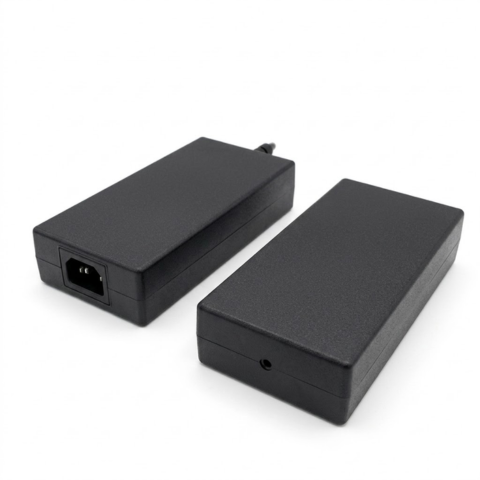
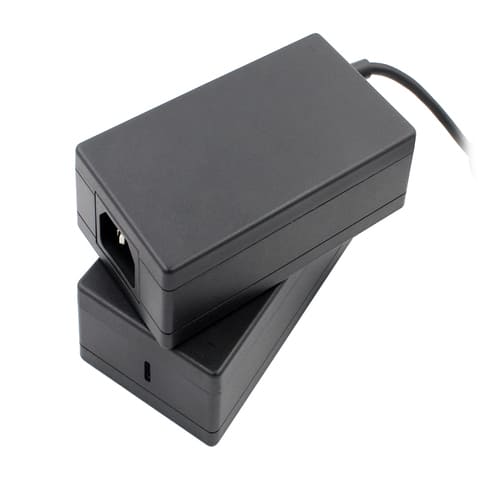
The UES24E-SPA is an external AC-DC adapter for compact medical equipment. The adapter body sits near the equipment, with a separate AC cord running to the wall outlet.

Start with the voltage on your equipment’s DC input label. Then check the current in the matching row. Each row describes a group of fixed output configurations. For example, a 12V unit supplies 12V throughout operation. The grouped wattage is the listed rating for the row, so use the exact output voltage and current when calculating the power available to your device.
| Model Number | Power (W) | Input Voltage Range (VAC) | Output Voltage (VDC) | Output Current (A) | Operating Temperature Range (°C) | Safety Standards |
| UES24E-XXXYYYSPA | 17.7 | 80–264 | 5.0–5.9 | 0.01–3.00 | 0–40 | CB, UL, TÜV Mark |
| UES24E-XXXYYYSPA | 22.5 | 80–264 | 6.0–7.5 | 0.01–3.00 | 0–40 | CB, UL, TÜV Mark |
| UES24E-XXXYYYSPA | 21 | 80–264 | 7.6–8.0 | 0.01–2.62 | 0–40 | CB, UL, TÜV Mark |
| UES24E-XXXYYYSPA | 21 | 80–264 | 8.1–8.9 | 0.01–2.36 | 0–40 | CB, UL, TÜV Mark |
| UES24E-XXXYYYSPA | 24 | 80–264 | 9.0–10.0 | 0.01–2.40 | 0–40 | CB, UL, TÜV Mark |
| UES24E-XXXYYYSPA | 24 | 80–264 | 10.1–11.0 | 0.01–2.18 | 0–40 | CB, UL, TÜV Mark |
| UES24E-XXXYYYSPA | 24 | 80–264 | 11.1–12.0 | 0.01–2.00 | 0–40 | CB, UL, TÜV Mark |
| UES24E-XXXYYYSPA | 24 | 80–264 | 12.1–13.0 | 0.01–1.84 | 0–40 | CB, UL, TÜV Mark |
| UES24E-XXXYYYSPA | 24 | 80–264 | 13.1–14.0 | 0.01–1.71 | 0–40 | CB, UL, TÜV Mark |
| UES24E-XXXYYYSPA | 24 | 80–264 | 14.1–15.0 | 0.01–1.60 | 0–40 | CB, UL, TÜV Mark |
| UES24E-XXXYYYSPA | 24 | 80–264 | 19.0–20.0 | 0.01–1.20 | 0–40 | CB, UL, TÜV Mark |
| UES24E-XXXYYYSPA | 24 | 80–264 | 20.1–21.0 | 0.01–1.14 | 0–40 | CB, UL, TÜV Mark |
| UES24E-XXXYYYSPA | 24 | 80–264 | 21.1–22.0 | 0.01–1.09 | 0–40 | CB, UL, TÜV Mark |
| UES24E-XXXYYYSPA | 24 | 80–264 | 22.1–23.0 | 0.01–1.04 | 0–40 | CB, UL, TÜV Mark |
| UES24E-XXXYYYSPA | 24 | 80–264 | 23.1–24.0 | 0.01–1.00 | 0–40 | CB, UL, TÜV Mark |
The AC cord connects at one end of the enclosure. The attached DC lead exits at the other. If the adapter will sit on a shallow shelf or behind an instrument, use the drawing to allow space
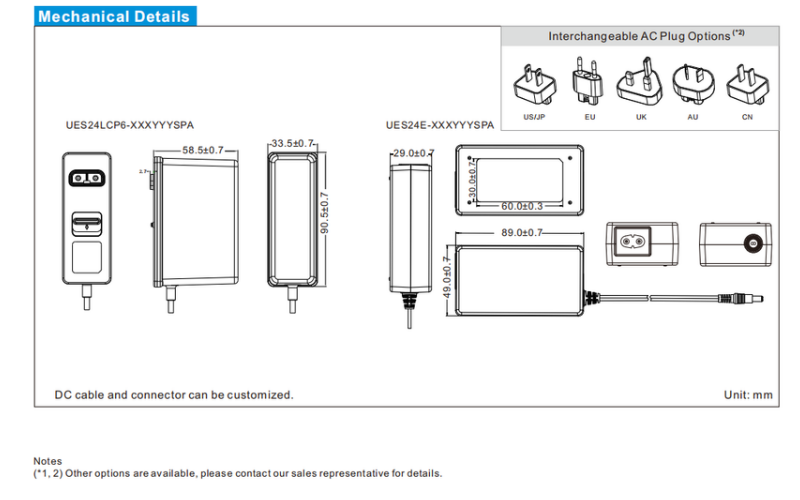
The wide AC input range lets an equipment manufacturer use the same adapter input design for different mains markets. Specify the AC cord for the destination country and confirm what will be packed with the sample.
| Input Characteristic | Specification |
| Input Voltage Range | 80–264 VAC |
| Frequency Range | 47–63 Hz |
| Input Current | 0.7 A at 100 VAC |
| Inrush Current | 70 A max. at 240 VAC, cold start |
| Touch Leakage Current | ≤100 µA at 264 VAC |
A shelf under an instrument can get warmer than the room, especially if the instrument vents downward or to the rear. If the adapter will live on that shelf, check the air temperature there with the finished equipment running. Where equipment is cleaned between uses, place the adapter clear of the area that gets sprayed.
| Characteristic | Specification |
| Operating Temperature | 0°C to +40°C |
| Storage Temperature | −20°C to +60°C |
| Operating Humidity | 10–90% RH, non-condensing |
| Storage Humidity | 5–90% RH |
| Operating Altitude | Up to 5,000 m |
| Enclosure Rating | IP42 |
| Construction | Class II |
| Weight | 150 g, as listed in the shared specification |
| Energy Efficiency | Level VI |
| Standby Power | ≤0.075 W |
| MTBF | >100,000 hours, Telcordia SR-332 at 25°C |
Try interrupting DC power during a bench test with the instrument running. When power comes back, does the instrument pick up where it left off, go back to standby, or ask the user to press Start again? The protection table describes what the adapter does during a fault. What happens when the instrument powers back up is up to the instrument’s controls.
| Protection Function | Specification |
| Overload | 110–200% of rated output power, automatic recovery |
| Overvoltage | 110–150% of rated output voltage, AC input reset required |
| Short Circuit | Trip and restart, hiccup mode |
If you’re changing the adapter on an instrument that’s already in production, start with the instrument’s safety file. It may name the original adapter by part number. In that case, give your test lab the UES24E-SPA approval documents and the full part number you plan to order so it can tell you what needs updating.
IEC60601-1
View CertificateThe table shows the emissions and immunity tests listed for the UES24E-SPA. When you test the finished instrument, pay attention to where the DC lead runs. A lead routed beside a sensor cable can couple noise into the measurement, so use the cable length and routing you intend to ship when setting up the equipment for the lab.
| EMC Item | Medical Specification |
| Conducted Emissions | IEC/EN 60601-1-2, CISPR 11 |
| Radiated Emissions | IEC/EN 60601-1-2, CISPR 11 |
| Harmonic Currents | EN 61000-3-2, Class A |
| Voltage Flicker | EN 61000-3-3 |
| Immunity Reference | IEC/EN 60601-1-2 |
| ESD | IEC 61000-4-2, ±15 kV air and ±8 kV contact |
| Radiated Immunity | IEC 61000-4-3, 10 V/m and 3 V/m, 80 MHz–2.7 GHz |
| EFT/Burst | IEC 61000-4-4, ±2 kV on AC port and ±1 kV on signal ports |
| Surge | IEC 61000-4-5, ±1 kV line-to-line, differential mode |
| Conducted Immunity | IEC 61000-4-6, 3 Vrms and 6 Vrms, 0.15–80 MHz |
| Magnetic Field | IEC 61000-4-8, 30 A/m |
| Dips & Interruptions | IEC 61000-4-11, 0%, 70%, 0% of UT |
Consider the UES24E-SPA for compact medical instruments that sit on a counter or equipment shelf and take power from an external DC adapter. Size the supply for the instrument in use. For example, a blood pressure monitor needs power while the cuff inflates as well as while it displays a result.
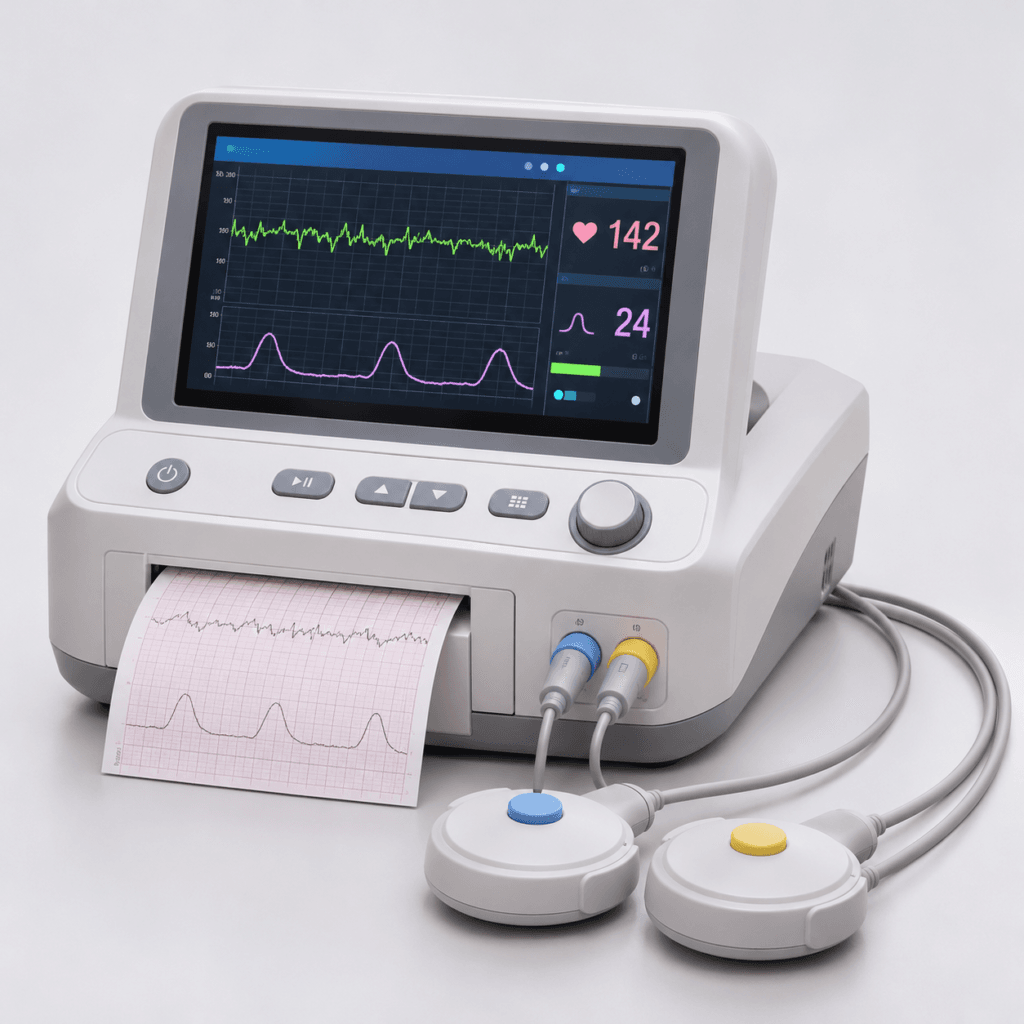

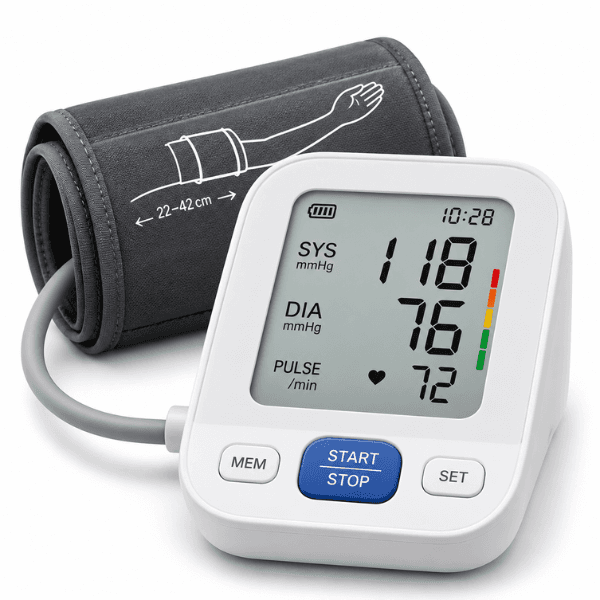
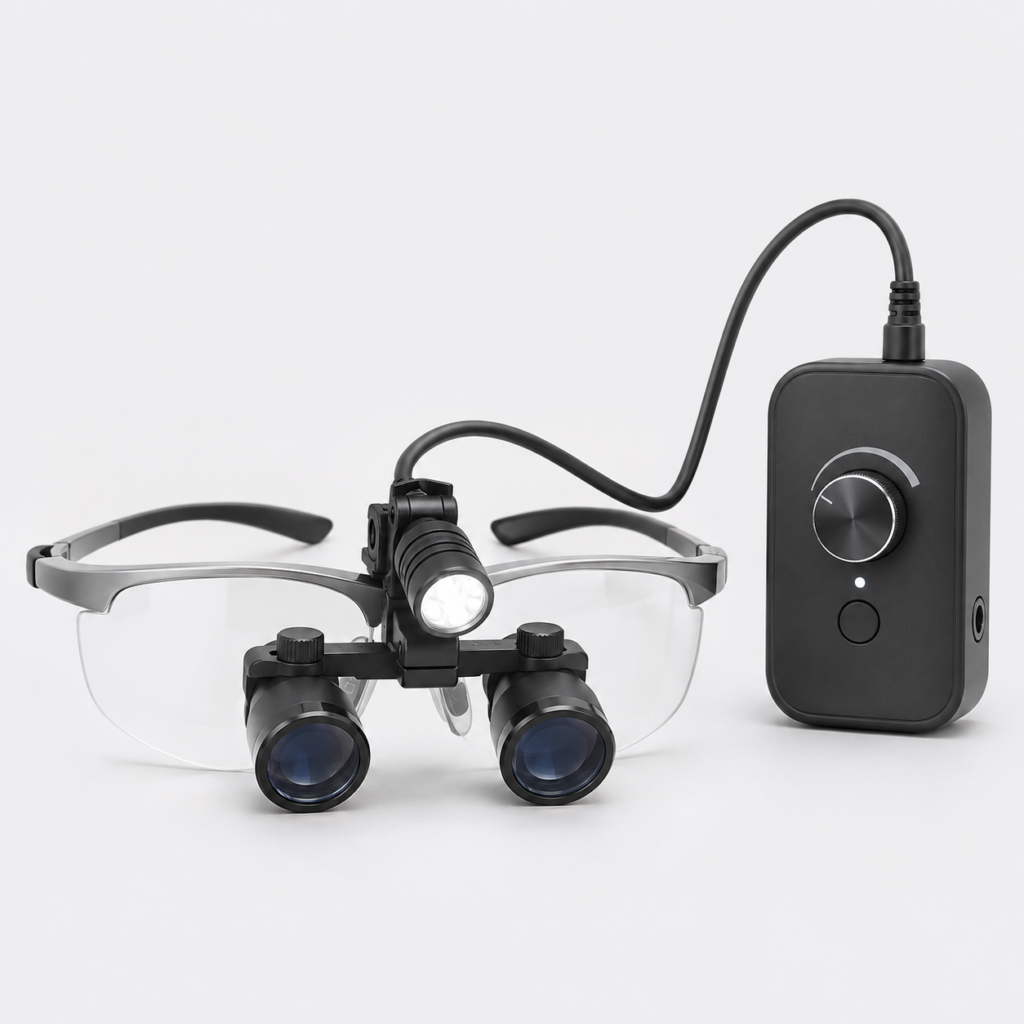
The desktop format lets you choose where the adapter body sits. When comparing the models below, look at where the equipment will be used and how the cord will reach it. If the instrument needs more current, compare the ratings at the same output voltage first.
The three guides below cover separate parts of choosing an external supply: how much current the device can draw, which plugs go at either end, and what the medical safety documentation tells you.
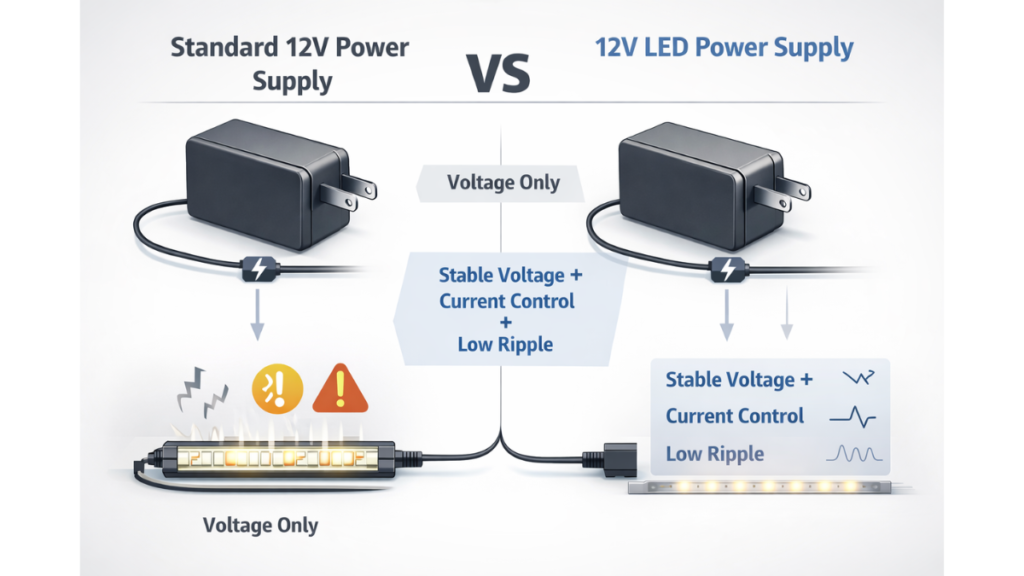
Two 12V adapters can have very different load capacity. This article explains how to read the current rating when comparing a supply for a new instrument or replacing one in an existing design.
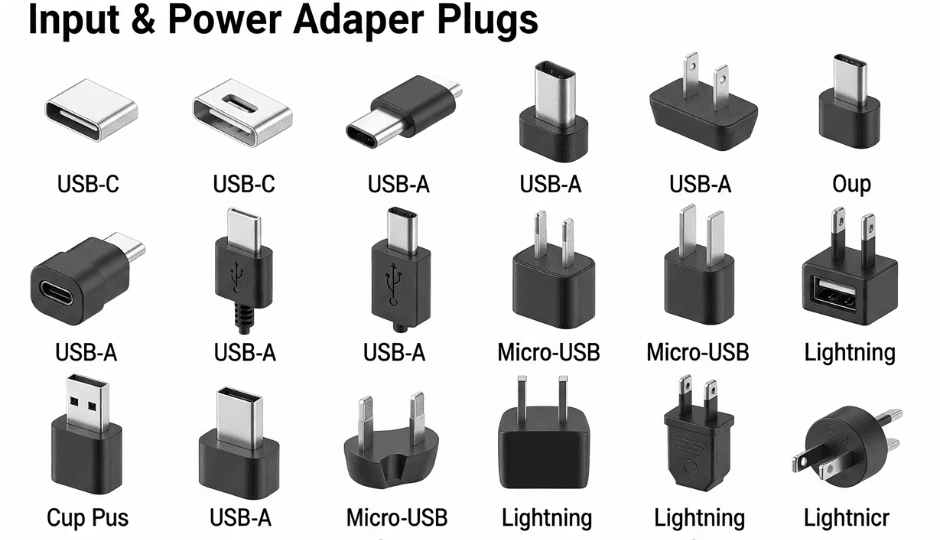
Use this guide to identify the connection at the wall and the one at the instrument. The DC section shows why plug dimensions and polarity deserve separate entries on a sample request.
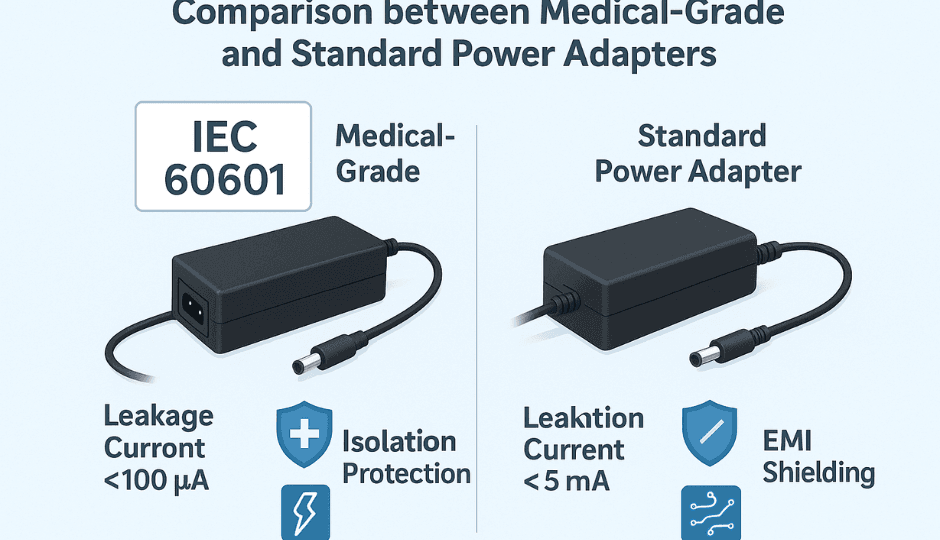
An introduction to what IEC 60601-1 addresses in medical power supplies, including insulation, leakage current and fault conditions. It gives design and purchasing teams a common reference when reviewing supplier documentation.
Our engineering team provides comprehensive support for this power supply series. Whether you need standard models, custom DC output specifications, or specific medical compliance assistance, we ensure your requirements are met with precision and speed.
✔ 2 MOPP & IEC 60601-1 Certification Support
✔ Custom DC Connectors & Cable Options
✔ Free Engineering Samples for Evaluation
✔ Detailed Technical Response within 24h