
Power Supplies for Respiratory Care Devices
Certified medical AC-DC power supplies for oxygen concentrators, nebulizers, and ventilators
Respiratory care devices depend on stable, medical-grade power to support safe and consistent operation in home, portable, and clinical settings. Quankang designs and manufactures AC-DC power supplies specifically for respiratory applications, including oxygen concentrators, nebulizers, and ventilators. Built to IEC 60601-1, our solutions offer 2xMOPP patient protection, controlled leakage current, and clean DC output for systems where electrical safety and continuous performance are essential.
For 36 years, we have supported medical device manufacturers with reliable power solutions that balance safety, EMC performance, and long service life. Our in-house EMC lab helps identify interference risks early, reducing delays during certification and system integration. With 212 patents and customers in more than 50 countries, Quankang helps respiratory device OEMs select qualified medical power supplies or develop customized solutions for specific voltage, connector, enclosure, and market requirements.
*Share your specifications with our engineering team. We can recommend a qualified model or develop a custom solution, typically responding within one business day.
Why Respiratory Care Devices Demand Medical-Grade Power
A respiratory care device depends on power that is not only stable but safe under continuous use. Unlike a consumer- or IT-grade adapter, a medical power supply must maintain patient protection under normal operation and single-fault conditions while delivering reliable performance over long duty cycles. In respiratory applications, poor power quality is not just a technical issue — it can affect device safety, control stability, and certification readiness.

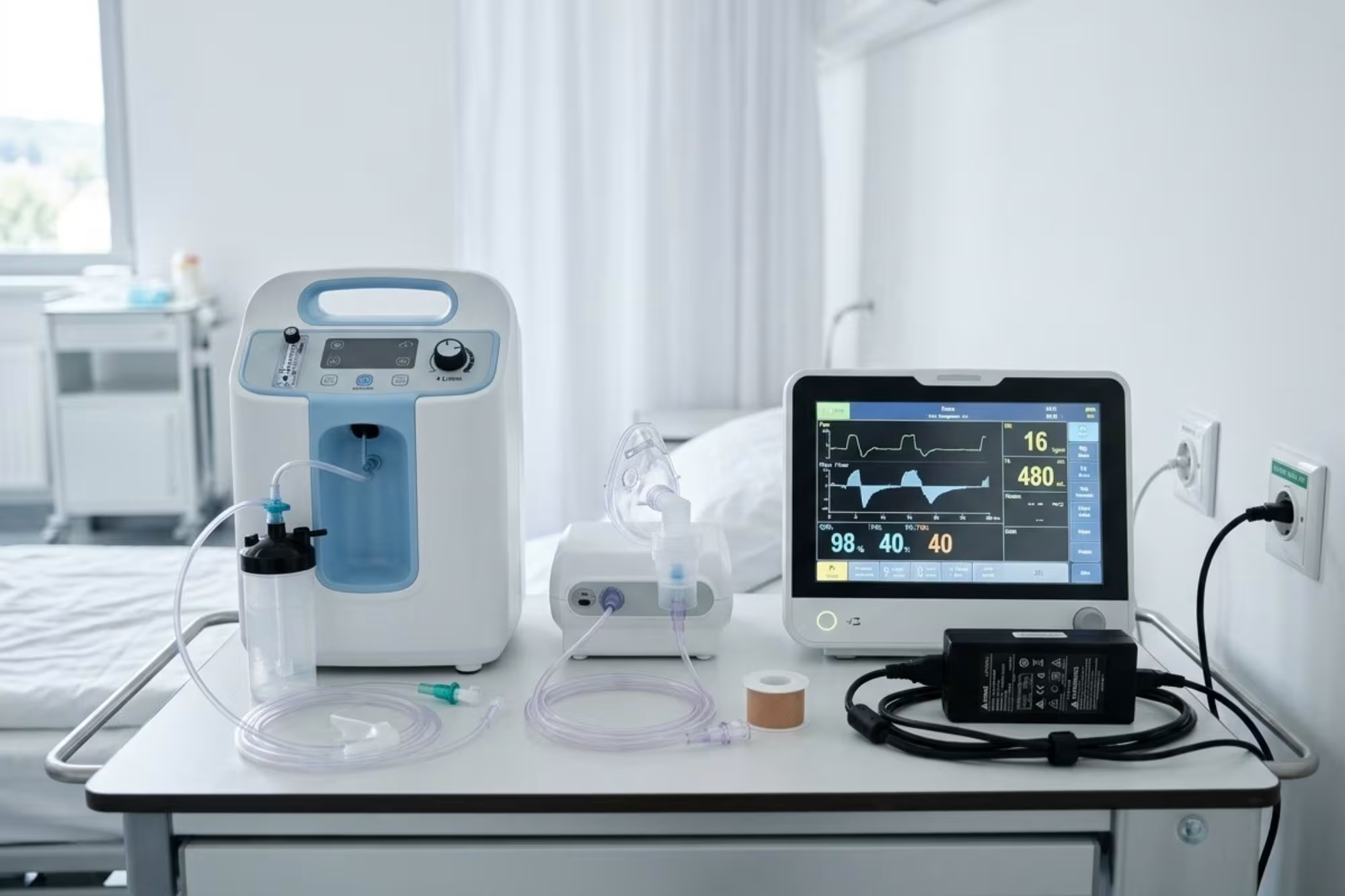
Six engineering factors define the difference between a medical-grade power supply and a standard adapter in respiratory applications:
Applications
Product Applications
Product Applications
-

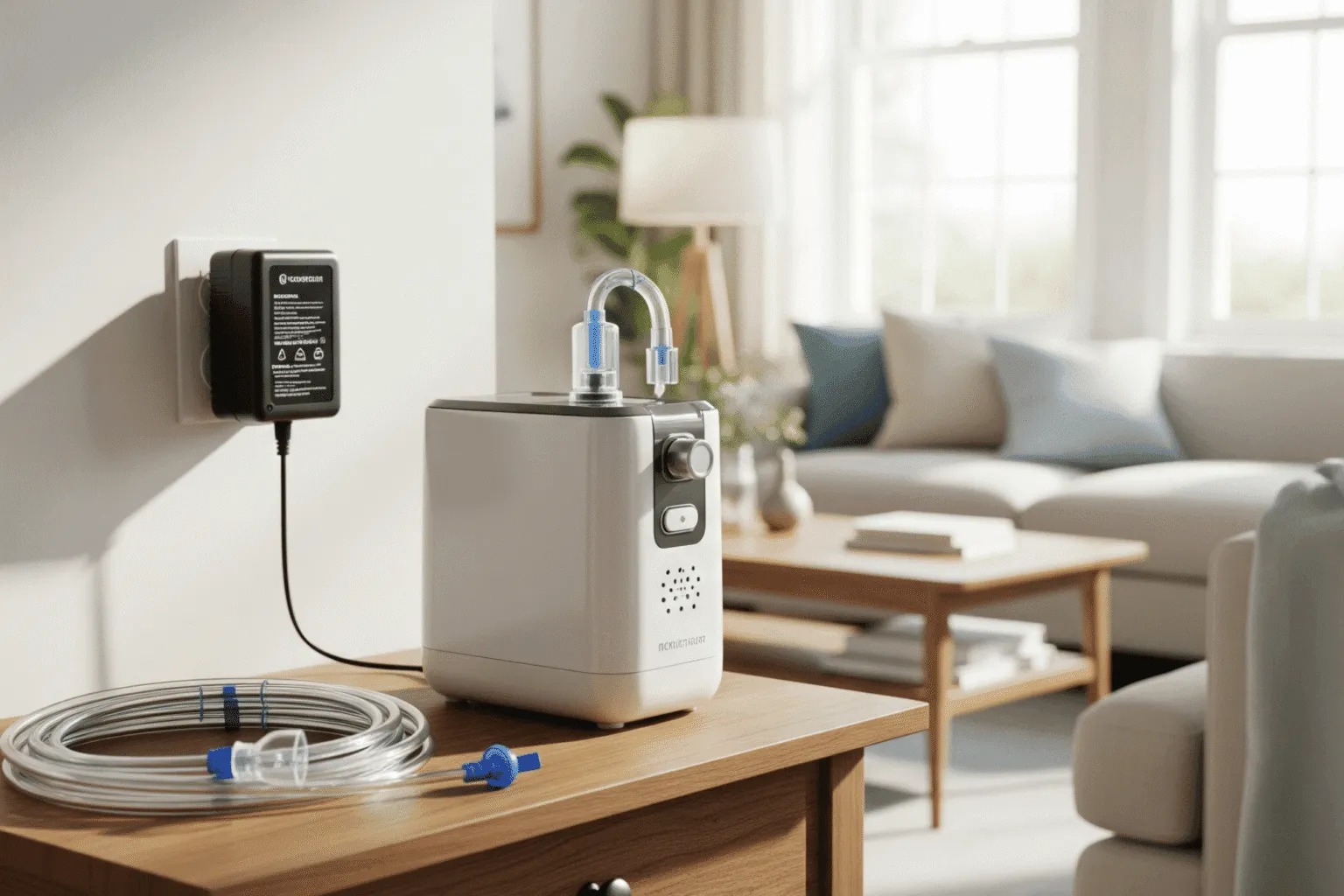
Oxygen Concentrator
Continuous-duty medical power for home and clinical oxygen concentrators, designed to deliver stable DC output, long-term reliability, and dependable performance in around-the-clock operation.
View Oxygen Concentrator Power Supply Solution → -
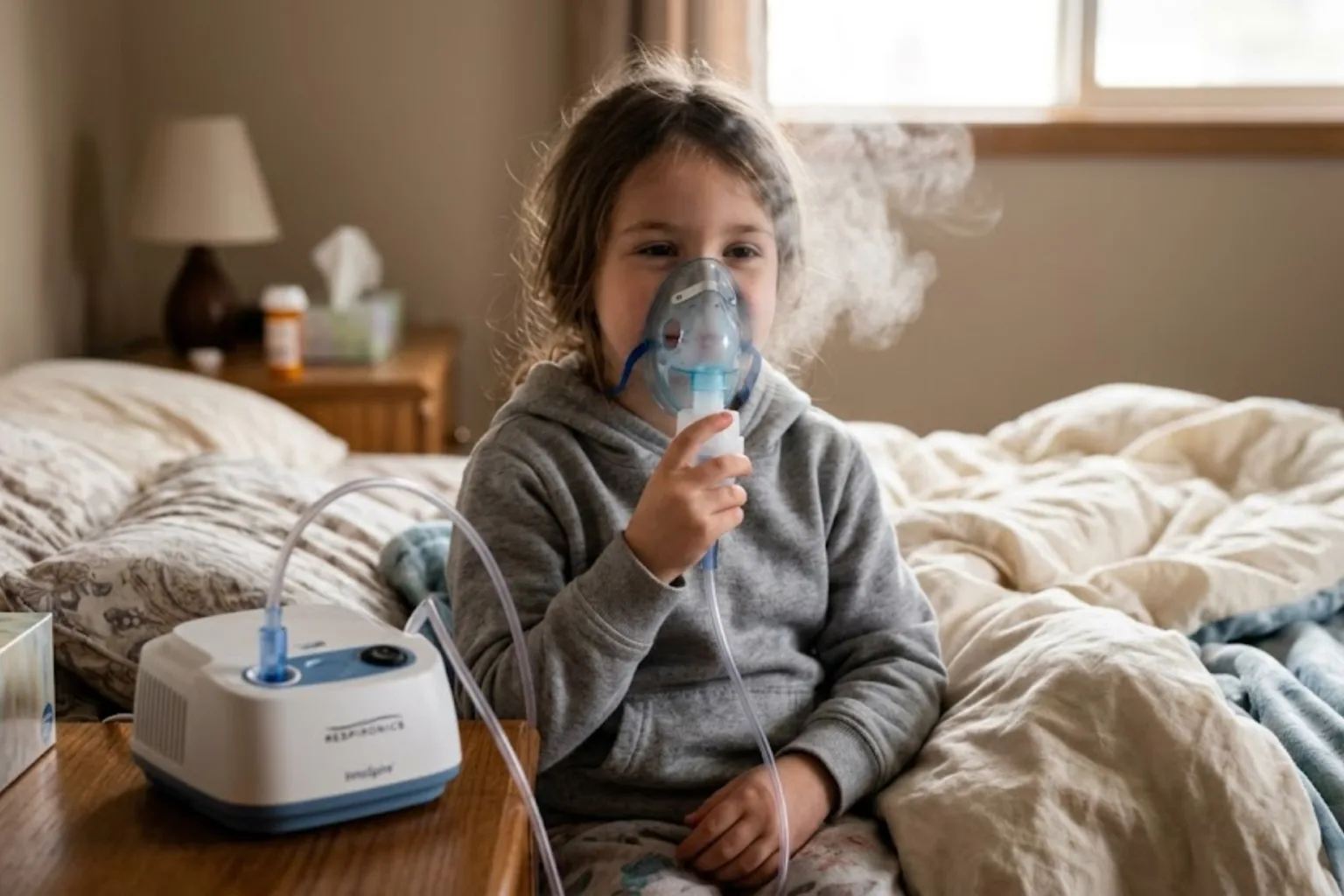
Nebulizers
Clean, low-noise power for portable and compressor nebulizer systems, helping support stable control performance and consistent therapy delivery in home and clinical use.
View Nebulizers Power Supply Solution → -
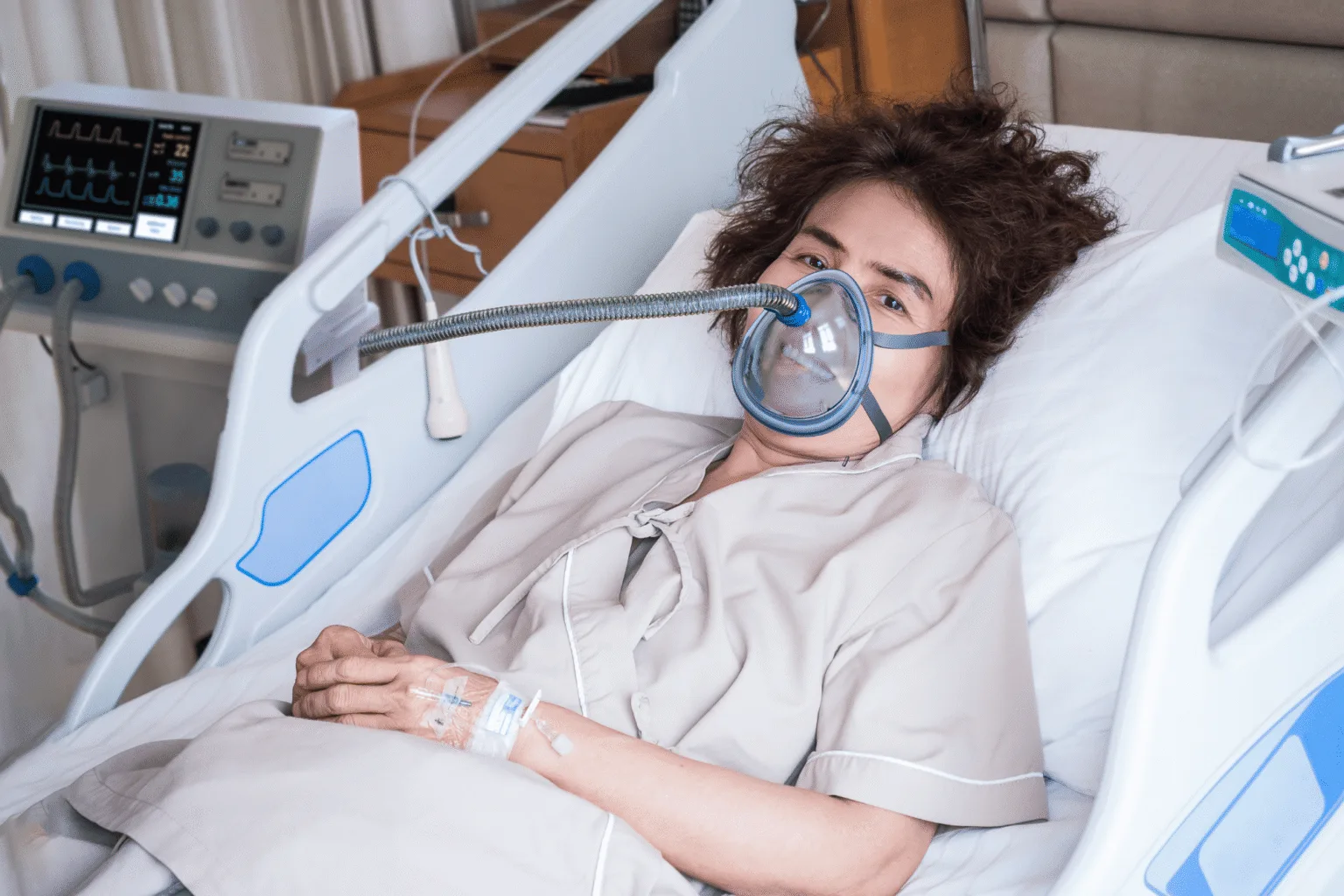
Ventilator
High-reliability medical power for clinical and home ventilation equipment, engineered for stable voltage, strong EMC performance, and dependable operation in critical respiratory applications.
View Ventilator Power Supply Solution →
Selection Guide
Respiratory Device Power Supply Selection Guide
| Selection Factor | Why It Matters |
|---|---|
| 01IEC 60601-1 Certification | Confirms compliance with core medical electrical safety requirements and helps reduce risk during system-level approval and market access. |
| 02Leakage Current | Low leakage current is essential for respiratory equipment used close to the patient, helping support safer operation in home and clinical environments. |
| 03Isolation Level (2xMOPP) | Defines the level of patient protection from mains voltage. For many respiratory applications, 2xMOPP is a key requirement for safe medical power design. |
| 04Ripple & Noise | Clean DC output helps protect flow, pressure, and control electronics, supporting stable system performance in oxygen concentrators, nebulizers, and ventilators. |
| 05EMC (IEC 60601-1-2) | Controls emissions and improves immunity, helping respiratory devices operate reliably alongside monitors, pumps, and other electronic medical equipment. |
| 06Continuous Operation | Many respiratory devices operate for extended periods or around the clock, requiring robust thermal design, high MTBF, and validated full-load reliability over time. |
Key Features
Key Features of Quankang Power Solutions for Respiratory Devices
- 01
Medical Safety Compliance
Designed and certified to IEC 60601-1 and IEC 60601-1-2 for medical respiratory applications.
- 02
2xMOPP Patient Isolation
Provides a high level of protection from mains voltage for equipment used in patient-care environments.
- 03
Controlled Leakage Current
Engineered to meet strict medical leakage limits for safer operation in home and clinical respiratory devices.
- 04
Low Ripple and Noise
Clean DC output helps protect sensitive flow, pressure, and control electronics in oxygen concentrators, nebulizers, and ventilators.
- 05
Continuous-Duty Reliability
Built for long operating hours and around-the-clock use in demanding respiratory care applications.
- 06
Strong EMC Performance
Optimized to control emissions and improve immunity, helping reduce integration and certification challenges.
- 07
Built-In Electrical Protection
Includes short circuit, over-voltage (OVP), and over-current (OCP) protection for safer and more stable operation.
- 08
Flexible Global Deployment
Wide 90–264VAC input range with interchangeable AC plugs for international medical device programs.
- 09
OEM/ODM Customization
Supports custom output, connectors, cables, enclosure design, labeling, and branding to match device-specific requirements.
- 10
In-House EMC Lab Support
Pre-compliance testing helps identify interference issues early and shortens the path to certification.
- 11
Proven Manufacturing Experience
Backed by 36 years of power supply expertise, 212 patents, and customers in more than 50 countries.
Frequently Asked Questions
Why does a respiratory care device need a medical-grade power supply instead of a standard adapter?
What isolation level do oxygen concentrators and ventilators typically require?
Can your power supplies support 24/7 continuous operation?
Do you offer customization for different respiratory device models?
Which certifications and compliance standards do your respiratory device power supplies support?
How do I choose the right power supply for a respiratory device?
Partner With a Respiratory Power Specialist
Whether you’re developing a new oxygen concentrator, nebulizer, or ventilator, the right power supply shortens your path to market. Share your voltage, power, isolation, and certification requirements, and our engineers will recommend a qualified model or develop a custom solution around your design.
With 36 years of medical power expertise, an in-house EMC laboratory, and customers in more than 50 countries, Quankang supports your respiratory care program from first prototype to full-scale production.
Send your specifications today.
Our engineer will follow up with recommendations, typically within one business day.