Quankang | Professional Medical Power Supply Manufacturer

UES12LCP2-SPA / UES12LCP2-SPC | 5–24V 12W Medical Wall Plug Power Adapter & Charger

UES12LCP2-SPA / UES12LCP2-SPC

Wall-plug power for small medical devices, with the SPA version for DC power supply and the SPC version identified for lithium-ion battery charging. Select the version based on how your equipment receives power.

  • DC adapter and lithium-ion charger versions
  • ≤10μA touch leakage current at 264VAC
  • 2 MOPP mains-to-output isolation
  • Medical safety references under CB, UL and TÜV Rheinland/Mark
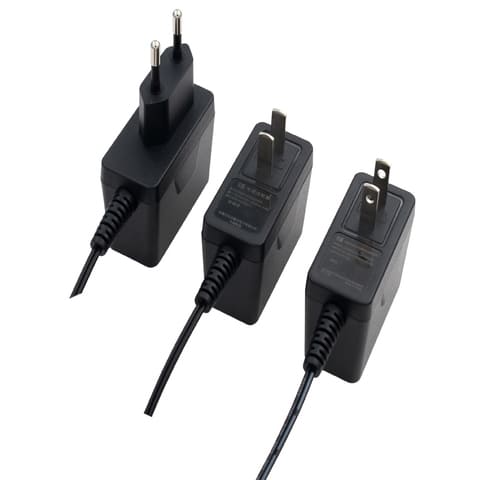
  • Interchangeable US/JP, EU, UK, AU and CN plugs
  • Level VI efficiency; ≤0.075W standby power
UES12LCP2-SPA/UES12LCP2-SPC 4V-24V 12W Medical Wall Mount Power Adapter

Models & Ratings

Choose the required output before comparing wattage. The series reaches 12W, but the lowest voltage groups have lower power ratings. A 5V configuration, for example, is listed at 2A and 10W.
 
The voltage bands below represent ordering options. They are not an adjustment range available to the person using the adapter.
Model NumberPower(W)Input Voltage Range(VAC)Output Voltage(VDC)Output Current(A)Operating Temperature Range(°C)Safety Standards
UES12LCP2-SPA / UES12LCP2-SPC1080–2644.0–5.00.01–2.000–45CB, UL, TÜV Rheinland/Mark
UES12LCP2-SPA / UES12LCP2-SPC11.880–2645.1–5.90.01–2.000–45CB, UL, TÜV Rheinland/Mark
UES12LCP2-SPA / UES12LCP2-SPC1280–2646.1–7.00.01–1.710–45CB, UL, TÜV Rheinland/Mark
UES12LCP2-SPA / UES12LCP2-SPC1280–2647.1–8.00.01–1.500–45CB, UL, TÜV Rheinland/Mark
UES12LCP2-SPA / UES12LCP2-SPC1280–2648.1–9.00.01–1.330–45CB, UL, TÜV Rheinland/Mark
UES12LCP2-SPA / UES12LCP2-SPC1280–2649.1–10.00.01–1.200–45CB, UL, TÜV Rheinland/Mark
UES12LCP2-SPA / UES12LCP2-SPC1280–26410.1–11.00.01–1.090–45CB, UL, TÜV Rheinland/Mark
UES12LCP2-SPA / UES12LCP2-SPC1280–26411.1–12.00.01–1.000–45CB, UL, TÜV Rheinland/Mark
UES12LCP2-SPA / UES12LCP2-SPC1280–26412.1–13.00.01–0.940–45CB, UL, TÜV Rheinland/Mark
UES12LCP2-SPA / UES12LCP2-SPC1280–26413.1–14.00.01–0.860–45CB, UL, TÜV Rheinland/Mark
UES12LCP2-SPA / UES12LCP2-SPC1280–26414.1–15.00.01–0.800–45CB, UL, TÜV Rheinland/Mark
UES12LCP2-SPA / UES12LCP2-SPC1280–26415.1–16.00.01–0.750–45CB, UL, TÜV Rheinland/Mark
UES12LCP2-SPA / UES12LCP2-SPC1280–26416.1–17.00.01–0.710–45CB, UL, TÜV Rheinland/Mark
UES12LCP2-SPA / UES12LCP2-SPC1280–26417.1–18.00.01–0.670–45CB, UL, TÜV Rheinland/Mark
UES12LCP2-SPA / UES12LCP2-SPC1280–26418.1–19.00.01–0.630–45CB, UL, TÜV Rheinland/Mark
UES12LCP2-SPA / UES12LCP2-SPC1280–26419.1–20.00.01–0.600–45CB, UL, TÜV Rheinland/Mark
UES12LCP2-SPA / UES12LCP2-SPC1280–26420.1–21.00.01–0.570–45CB, UL, TÜV Rheinland/Mark
UES12LCP2-SPA / UES12LCP2-SPC1280–26421.1–22.00.01–0.550–45CB, UL, TÜV Rheinland/Mark
UES12LCP2-SPA / UES12LCP2-SPC1280–26422.1–23.00.01–0.520–45CB, UL, TÜV Rheinland/Mark
UES12LCP2-SPA / UES12LCP2-SPC1280–26423.1–24.00.01–0.500–45CB, UL, TÜV Rheinland/Mark
The full ordering formats are UES12LCP2-XXXYYYSPA and UES12LCP2-XXXYYYSPC.

Output tolerance is ±7% for the listed 4.0–8.0V groups and ±5% from 8.1–24.0V. Line regulation is ±1%; load regulation is ±5%. Start-up delay is ≤3 seconds.

Maximum ripple and noise is 150mVp-p through the 11.1–12.0V group and 200mVp-p above it. The specified measurement uses 20MHz bandwidth, with 0.1μF ceramic and 10μF electrolytic capacitors in parallel at the output connector.

Mechanical Details

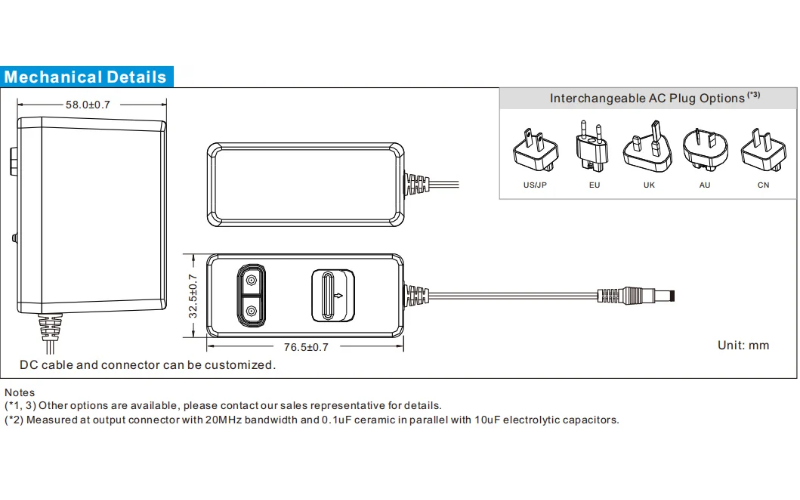
Both versions use the wall-plug housing shown below, measuring 76.5 × 32.5 × 58.0mm and weighing 130g. The mains plug fits onto the adapter body, while the attached DC cable runs to the equipment.

For a bedside outlet or a closely spaced power strip, include the fitted plug and cable exit when checking the available space. The DC cable and connector can be customized, so the connection drawing can follow your device rather than forcing a change to its socket.
UES12LCP2 SPA UES12LCP2 SPC Mechanical Details

Input Specifications

A product supplied to more than one region can keep the same electrical input design and use the appropriate plug head. This series accepts 80–264VAC at 47–63Hz, so there is no mains-voltage switch for the user to set.

The cold-start figure is separate from normal input current. The listed 50A is a brief inrush at 240VAC, not a continuous draw from the outlet.
Input CharacteristicSpecification
Input Voltage Range80–264VAC
Frequency Range47–63Hz
Input Current0.5A at 90VAC
Inrush Current50A max. at 240VAC, cold start
Touch Leakage Current≤10μA at 264VAC

Environmental & General

This adapter works from 0°C to 45°C. If your equipment has to run below freezing, we’d choose another model. It can withstand colder conditions in storage, but that doesn’t mean it can be switched on and used at those temperatures.

The MTBF is over 100,000 hours, calculated at 25°C using MIL-HDBK-217. We wouldn’t turn that into a promise of so many years in service. How hot the adapter runs and how the equipment is used also affect its life.
CharacteristicSpecification
Operating Temperature0°C to +45°C
Storage Temperature−20°C to +60°C
Operating Humidity10–90% RH, non-condensing
Storage Humidity5–90% RH
Operating AltitudeUp to 5,000m
Enclosure RatingIP42
ConstructionClass II
Energy EfficiencyLevel VI
Standby Power≤0.075W
Average Efficiency79.01%, 80.19% or 83.30%, depending on output group
MTBF>100,000 hours, MIL-HDBK-217 at 25°C

The MTBF figure is a reliability calculation, not a guaranteed operating life for each adapter.

Protection

You don’t have to unplug the adapter after every fault. Once an overload is removed, it can supply power again on its own. With a short circuit, it keeps trying to restart, so repeated on-off behaviour is a reason to check the load and wiring.

Overvoltage protection needs an AC reset. Switching the equipment off may leave the adapter powered, so disconnect it from the mains before reconnecting. The three protection settings are listed below.


If your equipment keeps switching on and off, leave it disconnected while the cause is investigated. Restarting is a protection response, so repeatedly cycling the equipment is not something to accept during sample testing. Note what the equipment was doing when it stopped—starting a motor, charging a battery or changing operating mode—so we have a useful starting point for the investigation.
Protection FunctionSpecification
Overload120–200% of rated output power; automatic recovery
Overvoltage120–150% of rated output voltage; input reset required
Short CircuitTrip and restart, hiccup mode

Safety Approvals

This specification lists medical safety references under CB, UL and TÜV Rheinland/Mark. The listed references include home healthcare standards, which are relevant when the adapter will be supplied with equipment used in the patient’s home.

Use the medical references below when discussing approval requirements. The specification also contains a separate ITE column; marks listed only in that column have not been added to this medical page.
CB

IEC60601-1

View Certificate

EMC

For a monitor or small treatment device, an interference problem may show up as an interrupted reading, a reset or unexpected operation. The medical EMC entries below cover both emissions and immunity, rather than emissions alone.

Keep the selected DC lead with the equipment during EMC evaluation. The cable is part of the assembled product, especially where it runs close to a sensor connection or control board.
EMC ItemMedical Reference / Listed Level
Conducted EmissionsIEC/EN 60601-1-2, CISPR 11
Radiated EmissionsIEC/EN 60601-1-2, CISPR 11
Harmonic CurrentsEN 61000-3-2, Class A
Voltage FlickerEN 61000-3-3
ImmunityIEC/EN 60601-1-2
ESDEN 61000-4-2; ±15kV air, ±8kV contact
Radiated ImmunityEN 61000-4-3; 10V/m and 3V/m listed
EFT / BurstEN 61000-4-4; ±2kV AC port, ±1kV signal ports
SurgeEN 61000-4-5; ±1kV line-to-line, differential mode
Conducted ImmunityEN 61000-4-6; 3Vrms and 6Vrms, 0.15–80MHz
Magnetic FieldEN 61000-4-8; 30A/m
Voltage Dips & InterruptionsEN 61000-4-11; 0%, 70%, 0% of UT

The report provides the test conditions and durations associated with these entries.

Common Applications

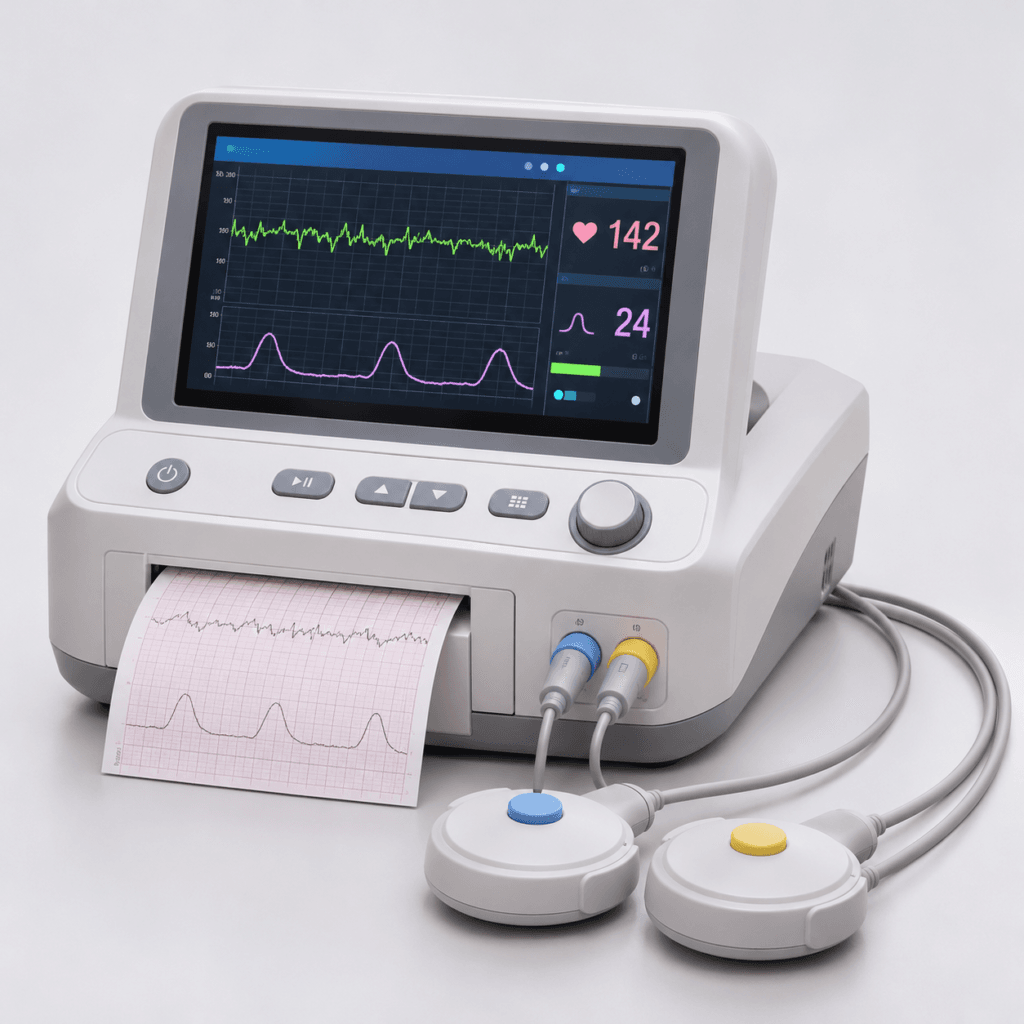
Small pumps, monitoring instruments and diagnostic devices can have quite different supply requirements despite similar body sizes. This series offers output choices for those lower-power designs, including 9V, 12V, 15V and 24V configurations. The applications below are selection directions; the device’s input requirement determines which configuration fits.
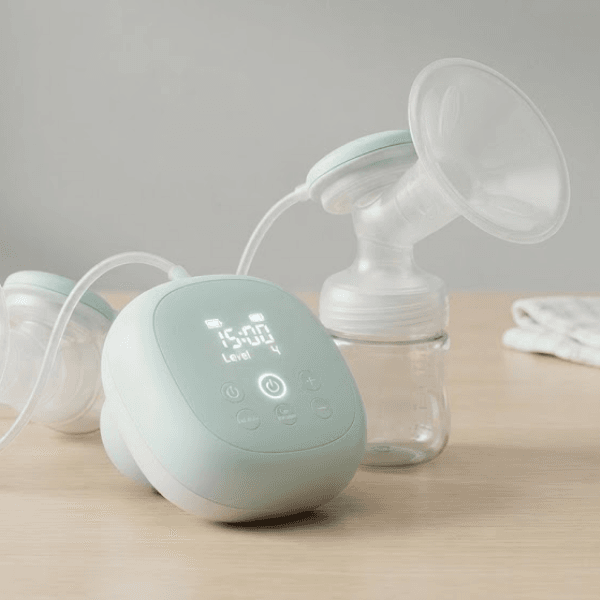
Breast Pump
Electric Breast Pumps
Fetal Heart Rate Monitors
Fetal Monitoring Devices
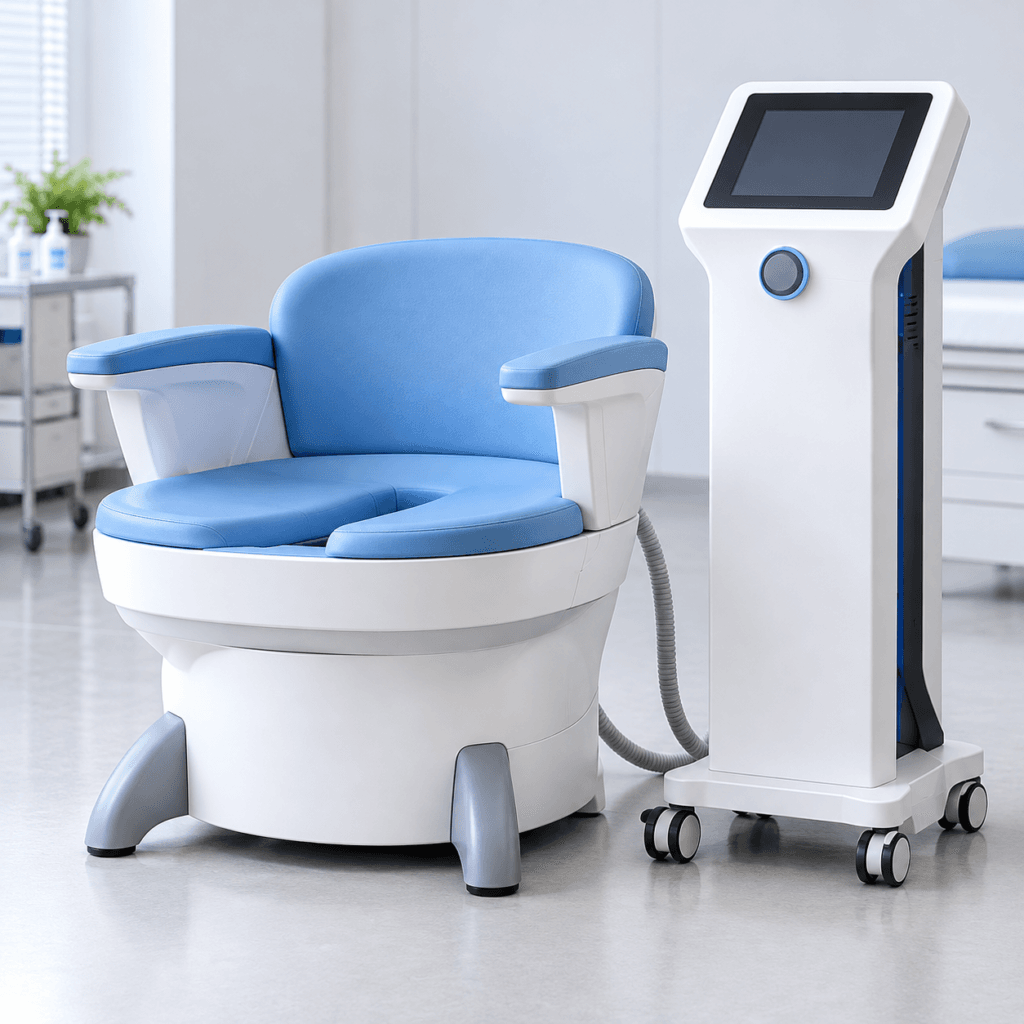
Urinary Incontinence Therapy Devices
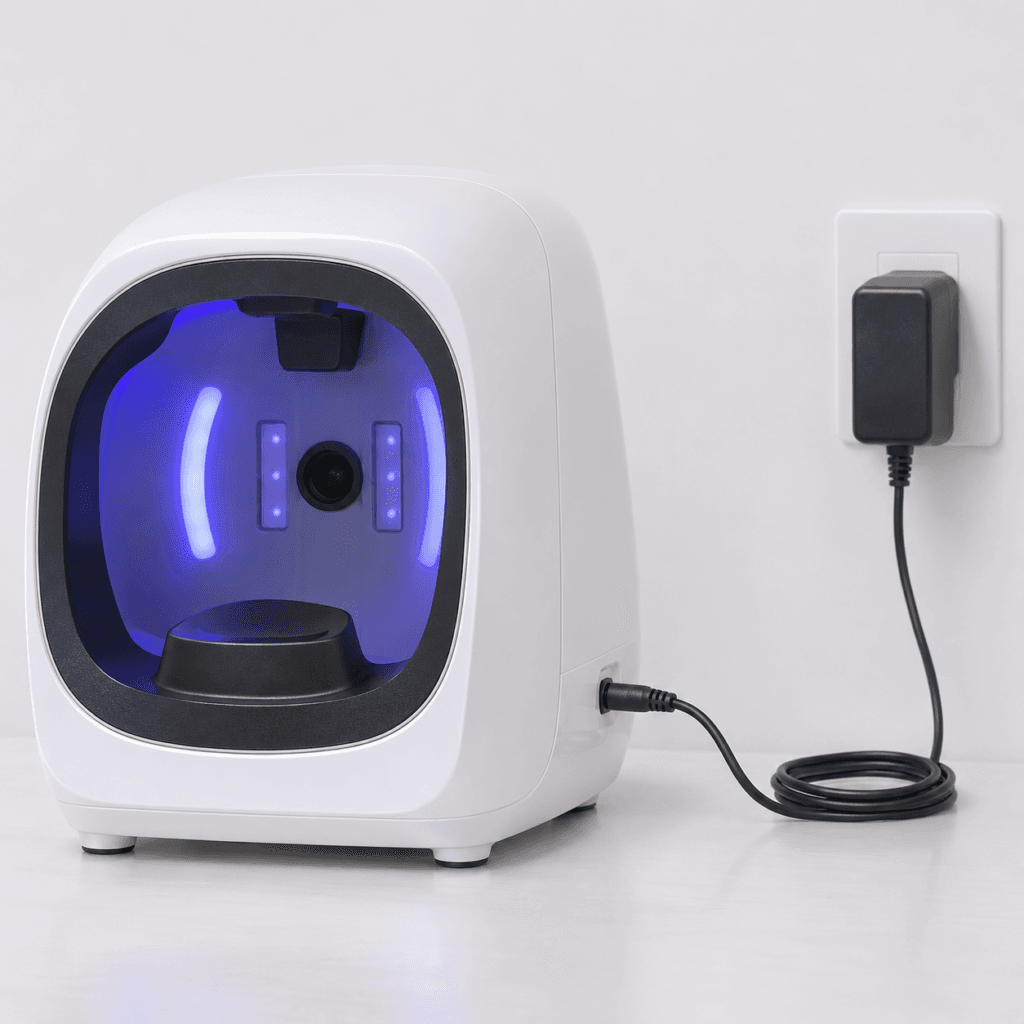
UV Skin Analysis Devices

Frequently Asked Questions

What is the difference between UES12LCP2-SPA and UES12LCP2-SPC?
SPC is specifically identified as the lithium-ion battery charger version. Both appear in the same specification, with shared output ratings, dimensions and medical safety information.    
   
For a device with its own charging board, we’d discuss SPA as the DC supply to that board. For external battery charging, the SPC configuration needs to match the battery’s charging requirements. The shared table doesn’t give the complete charging profile, so matching the voltage label alone isn’t enough to select a charger.  
At 5V, you have 2A available, which gives 10W. The 5.1–5.9V group is listed at 11.8W; the higher listed voltage groups are rated at 12W.    
   
That makes a difference for a board needing 5V at 2.4A. Dividing 12W by 5V gives 2.4A, but this model’s 5V current limit is still 2A. For that board, we’d quote a larger supply.  
We’d keep a 2A supply for that pump unless the device manufacturer has approved a lower rating. This model provides 1A at 12V.  
   
The pump might run at a light setting and give the impression that the replacement is fine. That leaves the other settings unanswered. We wouldn’t ask you to accept less current capacity simply because the voltage and plug match.  
You’ll need separate 9V and 12V configurations. There’s no voltage selector, and the adapter won’t recognise the device and change its output.  
   
For production, we’d give the two configurations separate order references. Where the DC plugs are identical, a clear voltage marking helps the person packing or servicing the equipment avoid mixing them up.
The upper limit rules it out. Your board stops at 5.25V; this adapter’s stated tolerance allows 5.35V.  
   
A sample reading of 5.0V could make the choice look straightforward. We’d still select a tighter-rated supply, because that reading tells us about the sample at the time of measurement—not the full voltage range the adapter is specified to deliver.    
Let us check the result with you first. The waveform, load and measurement point are enough to start the discussion.    
   
Our ripple limit is measured at the output connector with the bandwidth and capacitors stated in the specification. A reading on the equipment board may contain noise generated by that board as well. We need to separate the two before recommending a change. If the adapter itself is over its specified limit, we’ll investigate the sample.  

Related Models

If the required output is close to this series’ limit, compare the next power rating before settling on a sample. A little more capacity may be useful where the same product also runs a pump, charges a battery or supports optional accessories.

The models below offer other configurations to review. Compare the required voltage and current first, then the adapter format and connection details. For battery charging projects, also keep the charger function separate from the choice of wattage.
UES05LZ6-SPA 5V/6V 5W Medical Wall Mount Power Supply

UES05LZ6-SPA | 5V 5W Medical Wall Plug Adapter

external medical power supply

UE05LC3-SPA | 5V 5W Medical Wall Plug Adapter

3w 9v power supply

UE03L-SPAZ | 9V 2.7W Medical Wall Plug Adapter

UES06WNCP1-SPA 4.2V-12V 6W Medical Wall Mount Power Adapter

UES06WNCP1-SPA | 5V 6W Medical Interchangeable Plug Adapter

Related Resources

Medical power selection involves more than finding the right voltage. These articles explain the isolation terminology and home healthcare considerations that help engineering and purchasing teams put a clear requirement around the adapter.
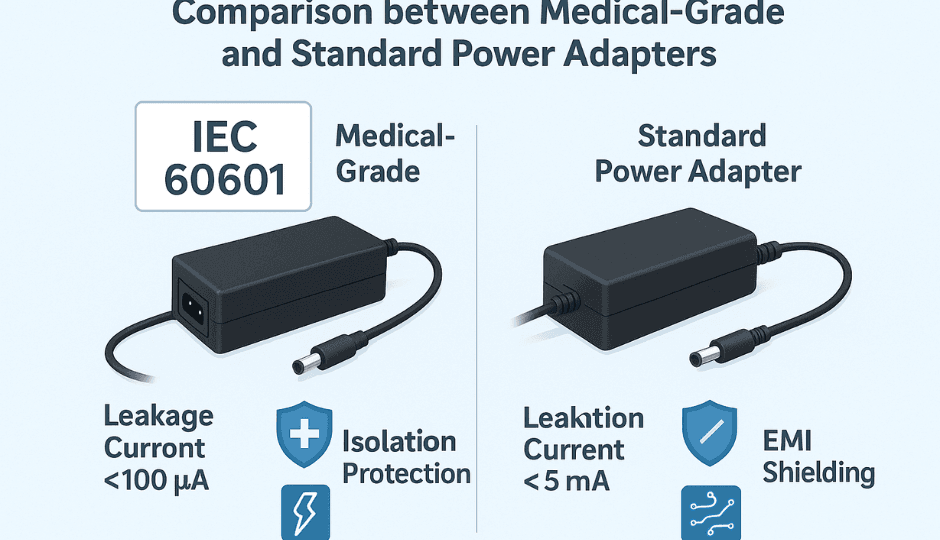
IEC 60601-1 Safety Standards Explained for Power Supply

An introduction to the medical safety requirements behind the approval references. Read it when preparing a power supply specification or deciding which safety documents need to accompany the selected configuration.
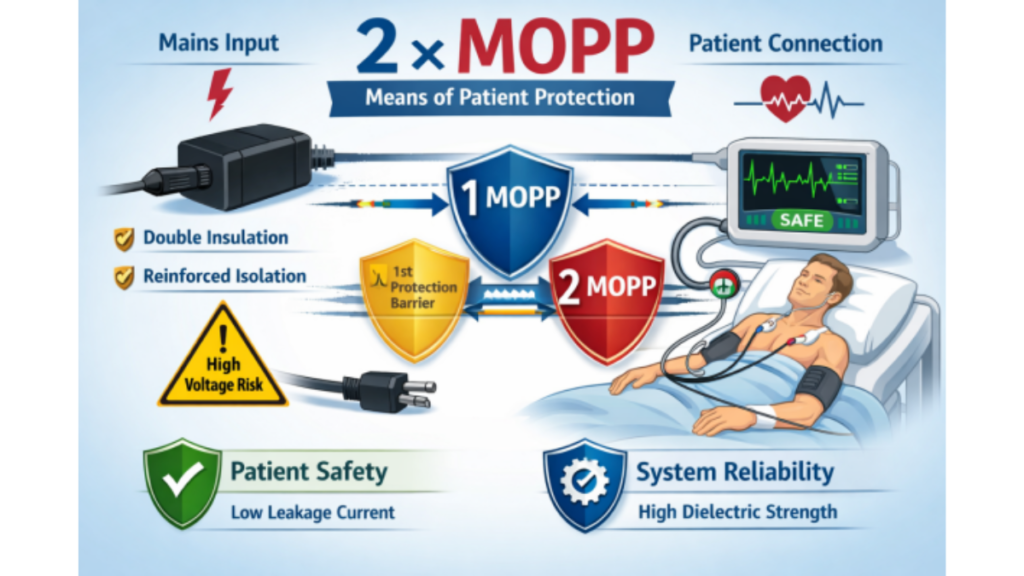
What does 2 x MOPP mean for a medical power supply?

A guide to the mains-to-output isolation barrier and the meaning of MOPP. Useful when comparing medical supplies or discussing which protective barriers belong in the adapter and which remain within the device.
Power Supply Safety for Home Healthcare Equipment

Equipment used at home needs to account for handling, installation and environmental conditions outside a managed clinical setting. This article discusses those conditions alongside electrical safety and EMC.

Request Technical Support & Pricing

Our engineering team provides comprehensive support for this power supply series. Whether you need standard models, custom DC output specifications, or specific medical compliance assistance, we ensure your requirements are met with precision and speed.

✔ 2 MOPP & IEC 60601-1 Certification Support

✔ Custom DC Connectors & Cable Options

✔ Free Engineering Samples for Evaluation

✔ Detailed Technical Response within 24h

Request a Free Quote

Send us a message if you have any questions or request a quote. We will be back to you ASAP!