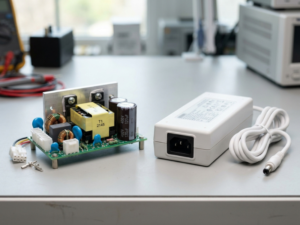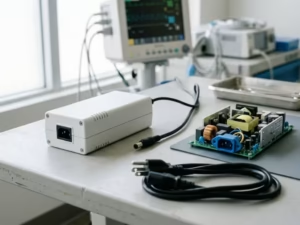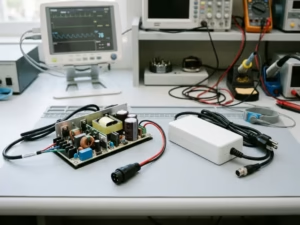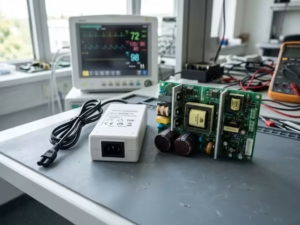
Power adapters convert electrical power to a form your devices can use. Among the common specifications,A 1A adapter can supply up to 1 amp of current, while a 2A adapter can supply up to 2 amps. When the voltage is the same, a 2A adapter can deliver twice the power output, allowing compatible devices to charge faster. Below we not only explain this difference but also provide essential guidance on how to choose the right adapter for your device.
Understanding Voltage, Current, and Power
When evaluating power adapters, three electrical terms matter:
Voltage (V): The electrical potential; it must match exactly the requirement of the device. Using a higher voltage than specified can damage the device.
Current (A): Measured in amperes; it’s the maximum current the adapter can supply. The device will only draw what it needs.
Power (W): Calculated as Voltage × Current (W = V × A), representing the total energy delivered.
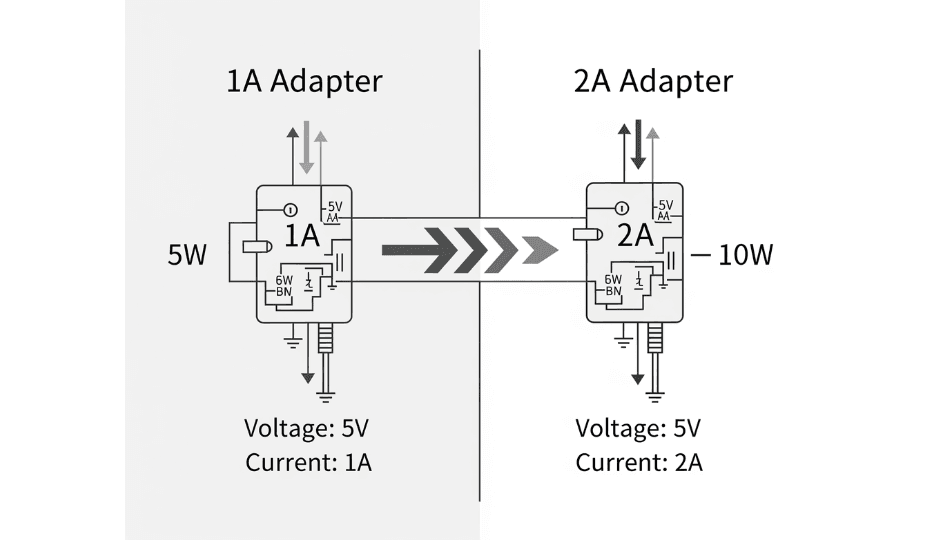
For example, a 5V 1A adapter delivers up to 5 watts of power, while a 5V 2A model can deliver up to 10 watts.
Typically has a lower wattage output, depending on the voltage (e.g., a 5V 1A adapter would output 5 watts of power).
1A Power Adapter:
- Provides a maximum current of 1 Ampere.
- Suitable for devices that require less power, such as some small electronics, LED lights, or low-power USB devices.
- Typically has a lower wattage output, depending on the voltage (e.g., a 5V 1A adapter would output 5 watts of power).
2A Power Adapter:
- Provides a maximum current of 2 Amperes.
- Suitable for devices that require more power, such as smartphones, tablets, or other electronics that draw more current.
- Has a higher wattage output compared to a 1A adapter with the same voltage (e.g., a 5V 2A adapter would output 10 watts of power).
Feature | 1A Adapter | 2A Adapter |
Max Current | 1A | 2A |
Typical Power (5V) | 5W | 10W |
Best For | Small, low-power gadgets | Larger or more power-hungry devices |
Charging Speed | Slower | Faster (if device supports it) |
Here’s a breakdown of the differences:
1. Amperage (Current) Output
- 1A (1 ampere) power adapters can provide up to 1 amp of current.
- 2A (2 ampere) power adapters can provide up to 2 amps of current— twice as much current capacity. meaning they can supply twice as much current compared to 1A adapters.
2. Charging Speed
- Devices connected to a 1A adapter will typically charge slower than those connected to a 2A adapter, assuming the device can handle the higher current.
- 2A adapters deliver more current, which can charge compatible devices faster.
3. Device Compatibility
- 1A adapters are commonly used for smaller devices such as smartphones or low-power gadgets.
- 2A adapters are often used for larger devices like tablets, faster-charging phones, or other electronics that require more power.
4. Safety Considerations
- A device will only draw as much current as it needs, so using a 2A adapter with a device designed for 1A is generally safe, as long as the voltage matches. The device will limit the current it draws.
- However, if the device requires 2A but you use a 1A adapter, the device may charge slowly, may not charge at all, or the adapter might overheat from being overworked.
5. Power Delivery
- Power (watts) is calculated as voltage × current. If both adapters provide the same voltage (e.g., 5V), the power difference is:
- 1A adapter: 5V × 1A = 5 watts
- 2A adapter: 5V × 2A = 10 watts
- Thus, the 2A adapter provides more power (10W) than the 1A adapter (5W).
While these principles apply to all voltages, the differences become more practical in real-world 12V systems such as routers, cameras, and LED lighting.
For a detailed comparison focused specifically on 12V applications, see:
12V 1A vs 12V 2A Adapters: What’s the Difference?
Can You Use a 2A Adapter Instead of a 1A Adapter?
Yes, in most cases it is safe to use a 2A adapter for a device that requires only 1A, provided the voltage matches.
Electronic devices are designed to draw only the current they need. For example, a device that requires 1A will only draw 1A, even if the adapter can supply 2A.
Benefits of using a higher current adapter include:
Improved power stability
Reduced stress on the adapter
Lower risk of overheating
Longer adapter lifespan
Because of this, many manufacturers recommend using an adapter with equal or higher current capacity.
Can You Use a 1A Adapter for a 2A Device?
Using a 1A adapter with a device that requires 2A is generally not recommended.
When the power supply cannot deliver sufficient current, several issues may occur:
Slow charging
Device failing to power on
Adapter overheating
Reduced charger lifespan
In extreme cases, the adapter may shut down or become damaged due to overload.
Therefore, it is always best to select an adapter that meets or exceeds the current requirement of the device.
How to Choose the Right Power Adapter (Practical Guide)
To ensure compatibility and safe operation, follow these practical steps when selecting a power adapter:
1. Match the Voltage Exactly
The adapter’s output voltage must match what your device requires. Using mismatched voltage can cause malfunction or damage.
2. Choose Equal or Higher Current
An adapter’s amperage rating should be equal to or above the device’s requirement. Higher amperage adapters are safe and often preferable because they operate with less strain.
3. Ensure Connector Compatibility
The adapter plug’s size, polarity, and connector type must match your device’s power port. Incorrect polarity or size can damage your device.
4. Look for Safety Certifications
Choose adapters with recognized safety certifications (e.g., UL, CE, FCC) to ensure reliable performance and reduce risks such as overheating or electrical faults.
Real-World Scenarios
Small Electronics
Devices like Bluetooth speakers, small routers, or LED lights may only require a 1A adapter for stable power delivery.
Smartphones and Tablets
Many modern phones and tablets draw higher current for faster charging. A 2A (or higher) adapter is often necessary to support this demand efficiently.
In many fixed installations and electronics beyond mobile devices, a 12V 2 amp adapter is a common solution for providing stable power.
To understand what a 12V 2A adapter is and when it should be used, read:
What Is a 12V 2 Amp Adapter and When to Use It?
Insufficient Current Problems
If your device tries to draw more current than an adapter can provide, the adapter may overheat or fail, the device may charge slowly, or it may not power on at all.
Common Misconceptions
Higher current “forces” more power into devices:
No. As long as voltage matches, a higher-rated adapter isn’t pushing extra current — the device only draws what it needs.
Adapters with lower current won’t work:
Adapters that provide less current than required can still function but may struggle, overheat, or fail to charge the device properly.
Summary
In summary, the difference between 1A and 2A power adapters lies in the current capacity they can provide. A 2A adapter generally supports higher power delivery and faster charging for devices that need it, while a 1A adapter is suitable for low-power electronics.
Always ensure you choose an adapter with:
Matching voltage to your device’s requirement.
Equal or higher current rating than the device needs.
Proper connector size, polarity, and safety certifications.
Following these guidelines helps you avoid common pitfalls and ensures safe, stable power delivery for your electronic devices.
If you want to apply these concepts in real-world selection—covering voltage choice, current capacity, connector types, and safety margins across 5V, 12V, and 24V systems—follow our complete guide:
Step-by-Step Guide: Choosing the Right Power Adapter (12V, 5V, 24V)
Frequently Asked Questions (FAQ)
Is a 2A charger faster than a 1A charger?
Yes. A 2A charger can provide more current, allowing compatible devices to charge faster.
Can I use a 2A charger for a 1A device?
Yes. As long as the voltage is the same, this is generally safe.
Will a higher amp charger damage my device?
No. Devices draw only the current they require.
Why does my device charge slowly with a 1A charger?
The charger may not supply enough current to meet the device’s power requirement.
What happens if amperage is too low?
The device may charge slowly or fail to power on.