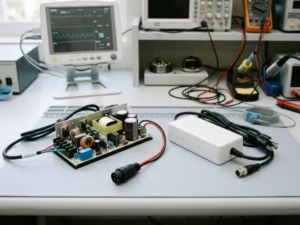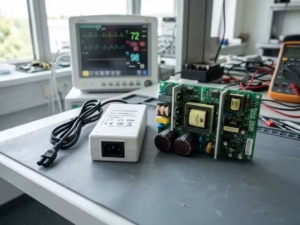

When a device is meant for more than one market, the power adapter usually becomes more important than people expect. It affects safety, compliance, packaging, and sometimes even how many versions a team has to manage.
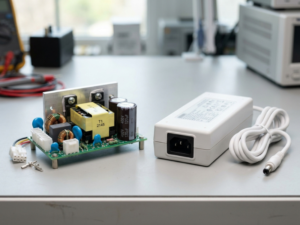
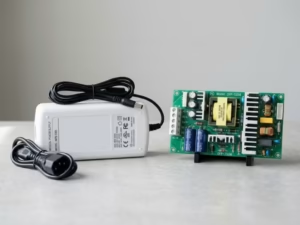
The UES15L-SPAZ is a 15W fixed-plug wall adapter for medical and ITE applications. It is meant for compact devices that need stable power, low standby consumption, and a simpler path across different regions.
Why this part matters
For small devices, the adapter often feels like a standard component. In practice, it can affect a lot more than power delivery.
Medical and patient-related products usually have stricter expectations around insulation, leakage current, and certification. Global products also need to deal with plug differences and efficiency requirements. That can quickly turn into extra SKUs, more inventory work, and more design decisions than expected.
That is why many teams look at the adapter as part of the product design, not just an accessory.
What this kind of adapter is trying to solve
Most teams are not looking for a “fancier” adapter. They are usually trying to solve a few practical problems:
keep the design suitable for compact medical or portable devices;
avoid creating too many plug versions for different markets;
keep standby power low enough for efficiency requirements;
support different output styles without redesigning the whole platform.
For export products, those details often matter more than they first seem.
Safety and insulation
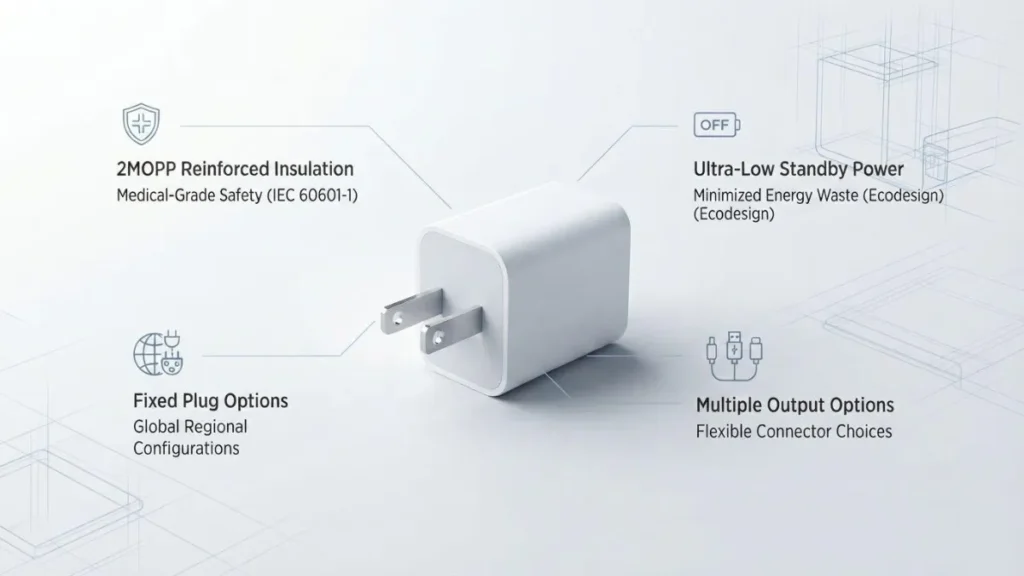
The UES15L-SPAZ uses 2MOPP reinforced insulation, which is relevant in medical applications where the device may be used close to the body or in a patient-connected environment.
In this kind of project, the goal is not only to deliver power safely. It is also to stay aligned with the insulation and leakage current expectations that usually come with medical device development. That is one of the main reasons medical adapters are not treated the same way as standard consumer power supplies.
Standby power and efficiency
Low standby power is one of those things that sounds small until it becomes a compliance issue. For products sold in multiple regions, even a tiny adapter can affect whether the overall device meets energy-related requirements.
That is why teams often pay attention to no-load consumption earlier now. A compact adapter with low standby power can reduce the risk of a late redesign, which usually saves time.
Plug options and market flexibility
If a product is going to several countries, plug variation can become a headache pretty quickly. Different markets usually mean different versions, different packaging, and more inventory to track.
A fixed-plug adapter with regional options makes that a little easier. The UES15L-SPAZ is available for China, the US/Japan, Europe, the UK, and Australia, which can help reduce the number of versions a team has to keep alive.
Output formats
Different devices need different output styles. Some work better with a fixed DC cable. Others are easier to build around USB-A or USB-C.
This adapter family includes those three options, so the power supply can follow the device design instead of forcing the device to adapt around it. For a compact product team, that usually matters.
Where it is used
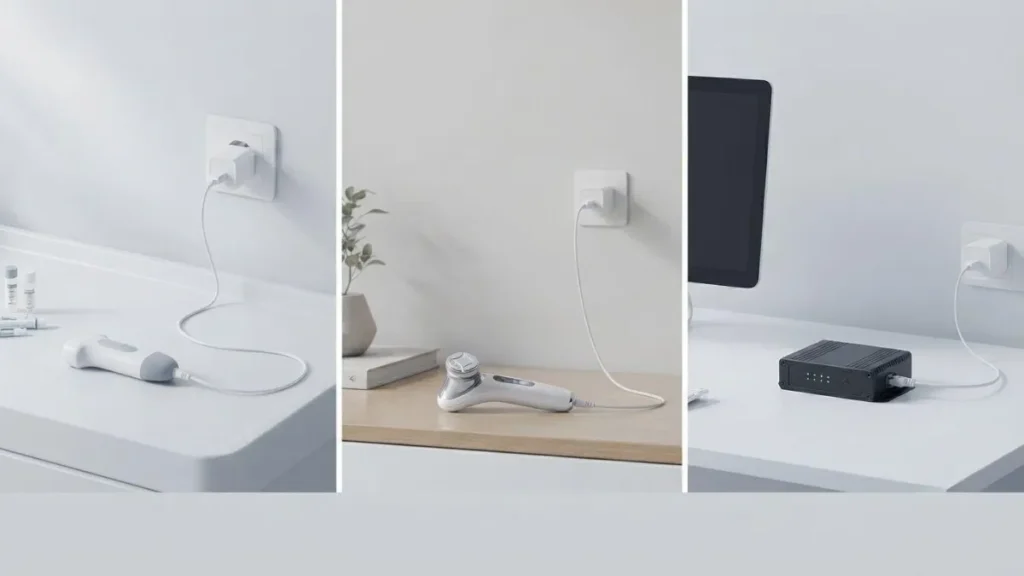
This type of adapter is often considered for:
portable IVD products;
home-use therapy devices;
RF or beauty devices;
handheld medical accessories;
compact communication devices.
These are the kinds of products where size, safety, and market readiness all matter at the same time.
Technical overview
The full datasheet can cover the rest of the electrical and compliance details if needed.
FAQ
Q1.What usually makes a medical adapter different from a regular one?
A medical adapter is usually built around stricter safety expectations. That can include insulation, leakage current, and compliance requirements that are not always part of a standard consumer product.
Q2.When does 2MOPP actually matter?
It matters most when the device is used in a patient-connected or body-contact context. In those cases, safety expectations are higher, so insulation becomes a bigger part of the design discussion.
Q3.Why do people care so much about standby power?
Because it can affect the overall energy profile of the product. For devices sold in different regions, low no-load power can help reduce compliance risk.
Q4.Is it worth using one plug platform for several markets?
Usually yes, if the product is going global. One platform is often easier to manage than building separate versions for each market.
Q5.Does USB-C make sense for a small medical device?
It can, depending on the product. USB-C is often a good fit when the device needs a compact and flexible output interface.
Related reading
If you are working through the same kind of design decisions, these topics are usually worth a closer look:
- 2MOPP insulation in medical power design.
- Leakage current and why it matters in patient-connected devices.
- Level VI efficiency requirements for compact adapters.
- DC cable, USB-A, and USB-C output selection for small devices.
For compact medical and portable devices, the adapter is one of those small parts that can have a bigger impact later. If it is easier to certify, easier to ship, and easier to localize, the whole product usually becomes simpler too.