If you design, build, or sell electronics, you’ve probably run into 62368-1 by now. Maybe a test lab flagged it. Maybe a customer asked for it. Either way, this standard is now the law of the land for most ICT and AV products, and ignoring it isn’t an option if you want to ship.
I’ve spent years helping teams move products through safety certification, and I can tell you the shift from the old standards trips up a lot of good engineers. Not because they aren’t smart, but because 62368-1 thinks about safety in a completely different way.
Let me walk you through what changed, why it matters, and how to get your product through testing without burning time or money.
The Shift From 60950-1 and 60065 to 62368-1
For decades, two standards covered most of the gear on your desk and in your living room. IEC 60950-1 handled information technology equipment. IEC 60065 handled audio and video equipment. They worked, but they treated those two worlds as separate problems.
That made less and less sense over time. A modern TV runs a full operating system. A laptop plays high-fidelity audio and streams video. The line between “IT” and “AV” basically dissolved.
IEC 62368-1 fixes that by merging both categories into a single framework. One standard now covers the whole range. And in most major markets, the old standards are officially withdrawn. You can’t certify a new product to 60950-1 or 60065 anymore in regions that have completed the transition.
The list of covered devices is broad:
- Laptops, tablets, and desktop computers
- Televisions and monitors
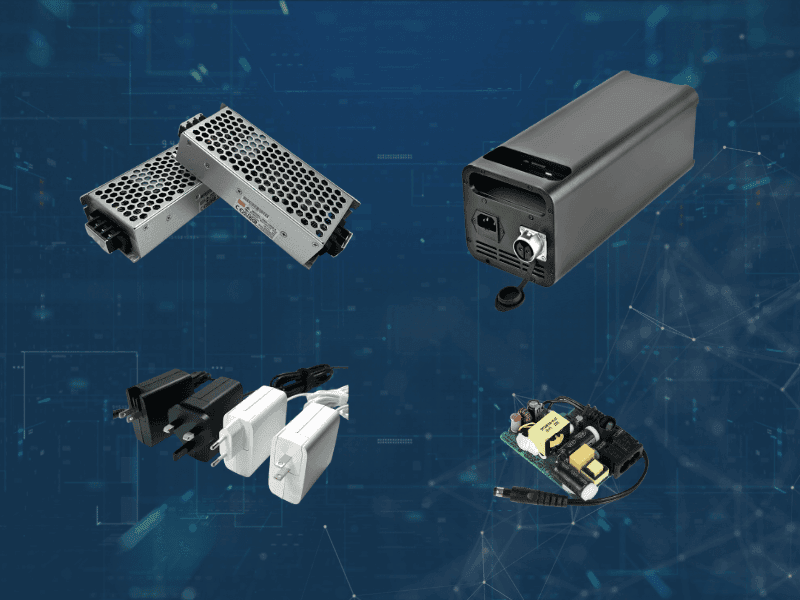
- Power supplies, adapters, and chargers
- Networking gear like routers and switches
- Audio equipment, speakers, and receivers
- Set-top boxes and streaming devices
If it processes information or handles audio-video signals and plugs into a wall or a battery, odds are 62368-1 applies.
Understanding Hazard-Based Safety Engineering (HBSE)
Here’s the part that throws people. 62368-1 isn’t just a rewritten version of the old rules. It’s built on a different philosophy called Hazard-Based Safety Engineering, or HBSE.
The idea is simple once it clicks. Instead of handing you a giant checklist of construction requirements, HBSE asks you to consider the actual energy sources in your product that could harm someone. Then it asks how that energy might reach a person, and what would happen if it did.
The Three-Block Model
HBSE breaks every potential hazard into three blocks:
- The energy source – electrical energy, heat, mechanical force, radiation, and chemical energy. Anything that could cause harm.
- The transfer mechanism – the path that energy takes to reach a person. Think of a cracked enclosure, a failed insulation layer, or a hot surface left exposed.
- The body part – the person on the receiving end, and what kind of injury they could suffer.
Your job as a designer is to break that chain. Put a safeguard between the energy source and the body part, and you’ve controlled the hazard. The standard cares about the result, not just whether you followed a specific recipe.
Compare that to the old approach. 60950-1 and 60065 leaned heavily on prescriptive rules. Use this thickness of insulation. Maintain that creepage distance. Build the enclosure this way. Those rules worked, but they assumed a fairly fixed set of technologies.
HBSE gives you room to breathe. When you’re working with a new component, a novel battery chemistry, or a design the old rules never anticipated, you can show your safeguards control the energy. That flexibility is the whole point. It lets safety keep pace with innovation instead of holding it back.
Distinguishing Between IEC, EN, and UL 62368-1
People treat “62368-1” like it’s a single document. It’s really a family of closely related versions, and knowing which one you need saves headaches.
IEC 62368-1 is the international standard published by the International Electrotechnical Commission. Think of it as the master template. Most national versions start here.
EN 62368-1 is the European adoption. If you want to apply the CE mark and sell in the European market, this is the version you follow. It maps to the IEC document but includes European-specific requirements.
UL 62368-1 is the North American version, used for safety certification in the United States and Canada. It carries national differences that reflect local electrical codes and practices.
So what’s actually different between them? The core technical content is largely the same. The differences live in the national deviations, the extra requirements each region adds based on its own wiring practices, voltage systems, and regulatory history. A product that passes in Europe isn’t automatically compliant in the U.S., and vice versa. You have to account for each market you’re targeting.
One more thing worth flagging. Edition 3 is the version most labs and regulators expect for new products today. If you’re starting fresh, design Edition 3 from the beginning.
Energy Source Classifications and Protection
Since HBSE revolves around energy, the standard sorts energy sources into three classes based on the harm they can cause. This classification drives the safeguards you need.
Class 1
These are energy sources that are safe to touch under normal conditions. They’re either too weak to cause injury or unlikely to cause harm even if something goes wrong. A low-voltage signal line is a good example. Class 1 sources usually need minimal protection.
Class 2
Class 2 sources can cause pain, but they typically don’t cause serious medical injury. Think of a mild shock that startles you but doesn’t do lasting damage. These need a safeguard to prevent ordinary contact, but the consequences of a single failure aren’t catastrophic.
Class 3
This is the dangerous tier. Class 3 sources can cause serious injury, severe burns, or fire. Mains voltage falls here. So does the stored energy in a large capacitor or a high-capacity battery. These demand robust, reliable safeguards, often more than one layer.
The safeguards scale with the class:
- Insulation separates conductive parts from people and from each other.
- Enclosures physically block access to hazardous parts and contain heat.
- Safety interlocks cut the energy when someone opens a panel or removes a cover.
- Markings and instructions also act as a safeguard, warning users away from hazards the design can’t fully eliminate.
The higher the class, the more you lean on strong, redundant protection. For Class 3 sources, a single safeguard usually isn’t enough. You want a backup in case the first one fails.
How to Transition Your Product Certification
If you’ve got products certified to the old standards, here’s how to make the move without chaos.
1. Inventory your current certifications. Know exactly which products carry 60950-1 or 60065 approvals and when those approvals expire or lose market acceptance.
2. Review your existing component reports. Pull the certification data on your key components. Some will already meet 62368-1 criteria. Others won’t, and you’ll want to know that early.
3. Understand the Legacy Component rule. This is a practical lifeline. Under specific conditions, certain components already certified to 60950-1 or 60065 can stay in your design under 62368-1. You don’t always have to re-qualify every part from scratch. But the conditions matter, so confirm each component actually qualifies rather than assuming it does.
4. Engage a Nationally Recognized Testing Laboratory. In North America, NRTLs handle the testing and certification that make your product legally marketable. They run the evaluations, witness the tests, and issue the certification. Bring them in early so you understand their expectations.
5. Run a gap analysis during design, not after. This is the single best piece of advice I can give. Compare your product against 62368-1 requirements while the design is still on the screen. Finding a problem in CAD costs you an afternoon. Finding it after you’ve tooled the enclosure costs you a fortune.
The teams that struggle are the ones that treat certification as a final step. The teams that sail through treat it as part of the design itself.
Common Compliance Challenges
Even solid products stumble in testing. Here are the spots where I most often see failures.
Thermal Hazards
Temperature is a frequent sticking point. The standard sets limits on how hot accessible surfaces can get, and how hot internal parts can run without becoming a fire risk or degrading insulation. Products that pack a lot of power into a small case need careful thermal design. Test under worst-case conditions, not just a comfortable room.
Battery Requirements
Batteries get serious attention. Lithium-ion cells pose real fire and explosion risks, so the standard pushes hard on charging controls, protection circuits, and battery behavior under fault conditions.
Coin and button cells get their own scrutiny, mostly because of the danger to children who swallow them. The rules here are strict, and they’ve gotten stricter.
Mechanical Strength
Your enclosure has to hold up. Expect steady-force tests, where a sustained push is applied to see if the housing stays intact, and impact tests, where the enclosure takes a hit. If a drop or a lean can crack the case and expose a hazardous part, you’ve got a failure.
Labeling and Documentation
This one catches people off guard. The marking and documentation requirements differ from the old standards. Warning symbols, ratings, and user instructions must all align with 62368-1. Don’t leave this to the end. A great product can get held up over a missing label or an instruction manual that doesn’t say the right things.
Frequently Asked Questions
What is the difference between IEC 62368-1 Edition 2 and Edition 3?
Edition 3 refines and clarifies Edition 2 rather than reinventing it. It addresses gaps, improves the handling of certain hazards, and updates requirements based on real-world experience. Edition 3 is the version most regulators and labs now expect for new products, so that’s where you should aim.
Does 62368-1 cover professional equipment or just consumer electronics?
It covers both. The standard applies to a wide range of ICT and AV products, from consumer gadgets to professional and commercial gear. The scope is defined by the type of equipment, not by whether it sits in a home or a data center.
Are existing 60950-1 certifications still valid for products already on the market?
Generally, products already certified and on the market can continue to be sold under their existing approvals, depending on the region. The withdrawal mainly affects new certifications. That said, market rules vary, so confirm the situation for each region you sell in before assuming you’re covered.
How does 62368-1 handle small components like resistors and capacitors?
The standard evaluates these parts based on their role in safety. A component that acts as a safeguard, like a resistor limiting current or a capacitor across the mains, faces specific requirements. Many small components are covered through their own certifications, which is why reviewing component reports early pays off.
Does this standard apply to power adapters and chargers?
Yes. Power adapters, chargers, and external power supplies fall squarely under 62368-1. They handle mains voltage and convert energy, which puts them right in the standard’s wheelhouse. If you ship a product with an adapter, both the product and the adapter need to comply.
What are the specific requirements for preventing children from accessing button cell batteries?
This is a major focus area. The standard requires that compartments holding coin or button cells be resistant to opening by a child. That usually means a secured compartment, such as one needing a tool or two simultaneous actions to open. The goal is to keep these batteries away from kids, since swallowing one can cause severe internal injury fast.
Moving Forward With Global Safety Compliance
Here’s the bottom line. 62368-1 isn’t just another standard to check off. It’s a smarter way to think about safety.
By focusing on energy sources and how they reach people, the standard adapts to technologies that didn’t exist when the rules were written. That makes it far more future-proof than the prescriptive standards it replaced. When your next product uses a new battery chemistry or an unusual design, HBSE gives you a path to prove it’s safe, rather than telling you it doesn’t fit the rulebook.
Global market access now depends on staying current with these regional adoptions. The IEC version, the European EN version, and the North American UL version each open different doors. Keep up with them, and the world stays open to you. Fall behind, and you lose markets.
My strongest recommendation hasn’t changed in years. Bring a safety engineer into the conversation early, ideally during the first design discussions. That early input streamlines testing, prevents expensive rework, and turns certification from a gauntlet into a routine step.
Yes, the transition takes effort. But on the other side, you get a clearer, more flexible path for bringing innovative electronics to market. That’s a trade worth making.