
- Home
- ITE Power Supply
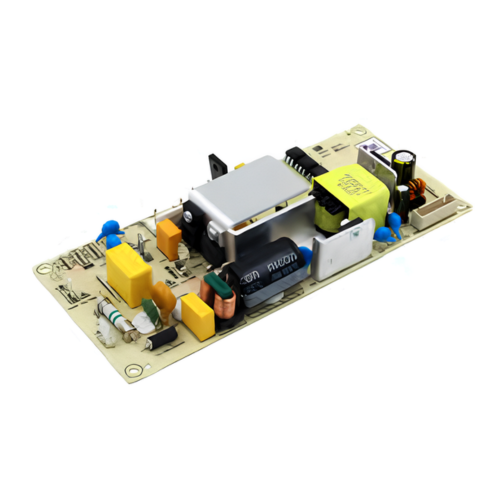
- UES42-SPA-OP1 | 42W 20V ITE Open Frame Power Supply for Robotic Vacuum Cleaner
UES42-SPA-OP1 | 42W 20V ITE Open Frame Power Supply for Robotic Vacuum Cleaner
UES42-200YYYSPA-OP1
This is a specialized power management solution for “Wash & Dry” robotic base stations. Unlike standard power supplies, the UES42-SPA-OP1 integrates 42W DC charging with high-power AC load control. It handles the 20V logic power for the robot while its built-in zero-crossing controller drives 1200W water heaters and 650W drying fans. This hybrid design removes the need for multiple PCBs, cleans up internal wiring, and eliminates the electrical noise that typically causes base station sensors to glitch.
Compact Open Frame Design: Low 26mm profile for easy integration into narrow base station chassis.
Integrated AC Load Control: Built-in terminals to drive 1200W heating wires and 650W drying fans directly.
Zero-Crossing Switching: Prevents relay arcing and stops EMI spikes from interfering with Wi-Fi and Lidar.
Low Standby Power: Consumes less than 0.15W in idle mode to meet global green energy standards.
Models & Ratings
Base stations need precise power to charge the robot while keeping the logic boards stable. The UES42-SPA-OP1 provides a pinned 20V output, and we offer customizable current settings (YYY: 001-210) to match your specific battery management system (BMS). This flexibility ensures fast, safe charging without sagging, even when the high-wattage AC fan is active.
| Model Number | Power(W) | Input Voltage Range(VAC) | Output Voltage(VDC) | Output Current(A) | Operating Temp Range(℃) | Safety Standards |
|---|---|---|---|---|---|---|
| UES42-200YYYSPA-OP1 | 42 | 90-264 | 20.0 | 0.01-2.10 | -10~+45 | CB, CCC, cULus |
Mechanical Details
Internal space is a luxury in modern docks filled with water tanks and dust bags. We built this board with a slim 164.2 x 72.2mm footprint to fit where others won’t. The 7-pin terminal is laid out to physically separate high-voltage heater lines from the DC logic pins. This high-low voltage isolation is a major plus for safety, reducing arcing risks and simplifying your assembly line’s cable routing.
Dimensions
Weight
162.4 (L) x 72.2(W) x 26.0 (H) mm
About 138g
Input Specifications
One design works for any grid globally. This power hub handles 90V to 264V universal input without a hardware switch. We also optimized the circuitry for real-world use; when the robot is out cleaning, the dock stays in a low-power mode pulling less than 0.15W, making it easy for your final product to pass Level VI and ERP energy efficiency audits.
Input Voltage Range
Input Current
Average Efficiency
Standby Power
90-264VAC
1.5A
Energy Efficiency Level VI
0.15W Max
Environmental & General
Robotic wash-docks are warm, humid places. Steam from mop washing is the number one killer for cheap power boards. That’s why we use components rated for 95% humidity. With a 100,000-hour MTBF, this module is built to handle the constant thermal cycles and moisture of a high-use household environment for years, not just the warranty period.
Operating Temperature
Storage Temperature
Operating Humidity
Operating Altitude
MTBF
-10°C to 45°C
-40°C to 70°C
5% to 95% RH, non-condensing
5,000m
100,000 hours at full load at 25°C ambient, calculated per Telcordia SR-332
Protection
Switching 1200W of heat creates massive electrical spikes that can crash a main controller. Our Zero-Crossing Detection waits for the AC sine wave to hit exactly 0V before it triggers the relay. This stops relay contacts from burning out and, more importantly, kills the EMI noise that usually causes Wi-Fi drops or sensor jitter.
Short Circuit
Over Current
Over Voltage
Trip and restart (hiccup mode)
Auto-recovery upon removal of fault
Built-in protection to prevent high-voltage output
Safety Approvals
Certification is usually the biggest bottleneck for new hardware. The UES42-SPA-OP1 is pre-certified for IEC60335-1 (Household), which is the mandatory safety standard for robotic cleaners. Using a pre-approved power hub means your system-level safety audit will be much faster and significantly cheaper.
IEC60335-1
GB4706.1
UL1310
EMC
Robots packed with mapping sensors and 5G Wi-Fi can’t handle noisy power boards. We’ve filtered this supply to stay well within Class B residential limits for conduction and radiation. This ensures that when the 650W drying fan or the heater kicks in, your robot doesn’t lose its connection or show “ghost” obstacles in its mapping data.
| Test Item | EMC Standard | Requirement / Level |
|---|---|---|
| Conduction & Radiation | EN55032/CISPR32 | Class B (Residential Friendly) |
| Harmonic Current | IEC/EN 61000-3-2 | Class A |
| ESD Protection | IEC/EN 61000-4-2 | ±8kV Air / ±6kV Contact |
| Surge (Line-to-Line) | IEC/EN 61000-4-5 | ±6KV High-Immunity Design |
| Voltage Dips | IEC/EN 61000-4-11 | 100%, 70%, 100% of UT |
Download File
Common Applications
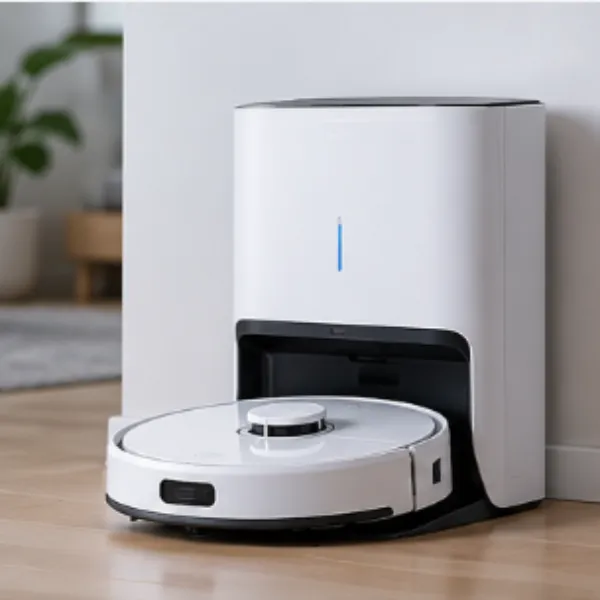
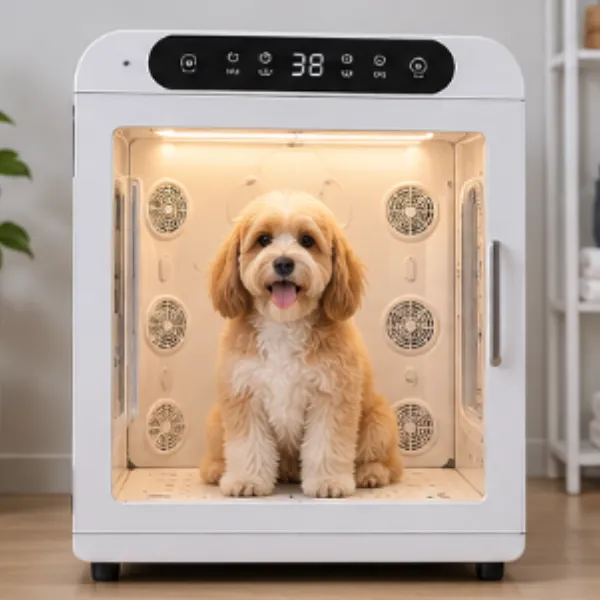
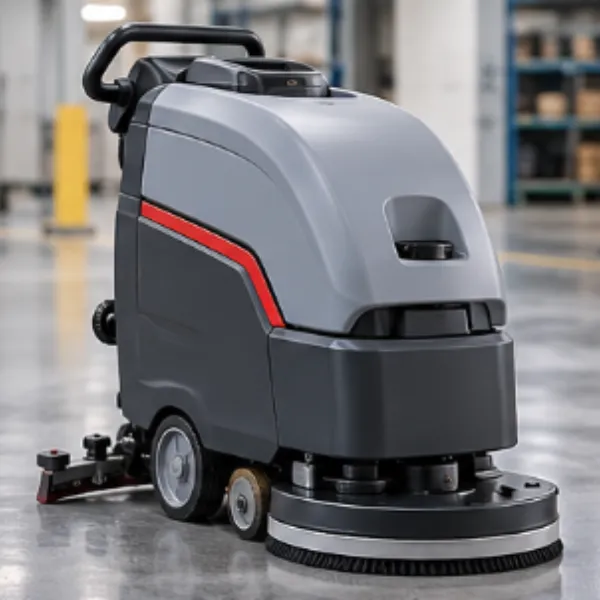
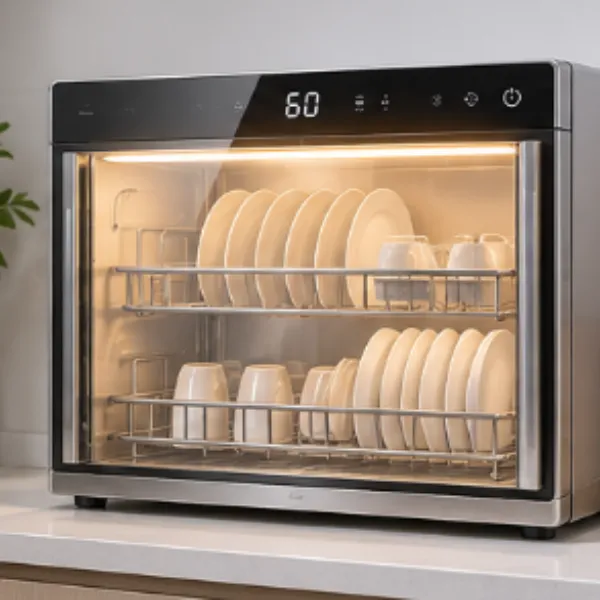
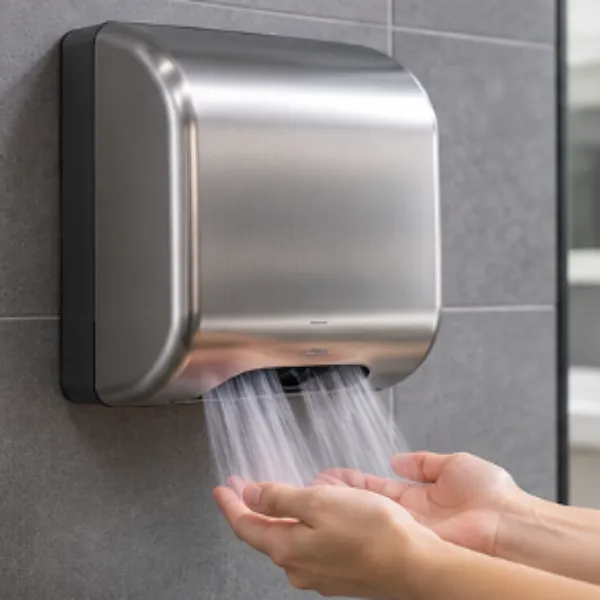
The UES42-SPA-OP1 is designed as a hybrid platform for hardware that needs more than just a DC power supply. We built this board to solve a specific engineering headache: the need to cram logic controllers and heavy AC relays into the same cramped chassis. While it is a staple for high-end robotic vacuum docks, its 1200W heating and 650W fan control logic are highly adaptable. By putting the DC charging rail and the AC load switching on one integrated PCBA, you simplify your internal wiring and eliminate the cost of extra relay modules. Since the board is already pre-certified for household safety standards (IEC 60335-1), it is an ideal “plug-and-play” power hub for any appliance that requires intelligent management of heaters, blowers, or PTC elements.
Frequently Asked Questions
When engineers select a power supply for a robotic vacuum cleaner dock, the questions are usually quite practical: whether the 20V output matches the charging system, whether the board can handle the heater and fan, and whether it will fit into the available space. The UES42-SPA-OP1 was developed around these requirements, combining DC power output and AC load control on one open frame board.
I need a 20V power supply for a robotic vacuum cleaner. How do I know if this model is suitable?
The UES42-SPA-OP1 provides a 20V DC output, and the output current can be configured from 0.01A to 2.10A. So the first thing we normally check is your robot’s charging current rather than simply looking at the 42W rating. If you can provide the required voltage, current and BMS information, we can help confirm the appropriate version.
My docking station has a heater and drying fan. Do I need another relay control board?
Not necessarily. The UES42-SPA-OP1 already has AC load control built into the board. It can be used with a 1200W heating wire, 650W fan or 100W PTC load, depending on the configuration. For a wash-and-dry dock, this means the DC power and part of the AC load control can be handled in one board instead of adding a separate relay PCB.
Will the heater or fan switching interfere with Wi-Fi or other electronics in the dock?
This is something we pay attention to in robotic vacuum cleaner applications. The board uses zero-crossing detection for AC switching, so the load is switched when the AC waveform passes through zero. This helps reduce the electrical noise generated when a heater or fan is switched on and off. The UES42-SPA-OP1 is also tested to EN55032/CISPR32 Class B requirements for conducted and radiated emissions.
I have very little space inside the charging station. What installation space does the board need?
The board measures 164.2 × 72.2 × 26.0 mm, with a weight of about 138g. The 26mm height is particularly useful for low-profile docking station designs. We would still recommend checking the surrounding components, airflow and cable routing in your actual enclosure before fixing the PCB position.
Can I use the same UES42-SPA-OP1 design in different countries?
The AC input range is 90–264VAC, so the board can accommodate common mains voltages without changing the input voltage setting. For products intended for different markets, we would normally check the required certification and system-level requirements as part of the project review.
Our product needs to pass safety certification. What approvals are available for this power supply?
The UES42-SPA-OP1 is listed with CB to IEC 60335-1, CCC to GB4706.1 and cULus to UL1310. These certifications are useful when the power supply is being integrated into a robotic vacuum cleaner or other appliance. However, the final product still needs to be evaluated as a complete system, so we recommend checking the certification requirements for your target market before starting the design.
The charging current is different from the standard version. Do I have to use another power supply?
Not necessarily. The UES42-SPA-OP1 uses the model suffix “YYY” to indicate output-current configurations from 0.01A to 2.10A. If your required current falls within this range, we can check whether the existing platform can be configured for your application instead of developing a completely new power supply.
Can this open frame power supply be used outside robotic vacuum cleaners?
The original design is intended for robotic vacuum cleaner applications, particularly wash-and-dry docking stations. However, the same combination of 20V DC power and controlled AC loads can also be useful in equipment such as drying cabinets, floor scrubbers and other appliances that need to manage a heater, fan or PTC load. For a new application, our engineers would need to review the actual load, operating conditions and connection requirements first.
Related Models
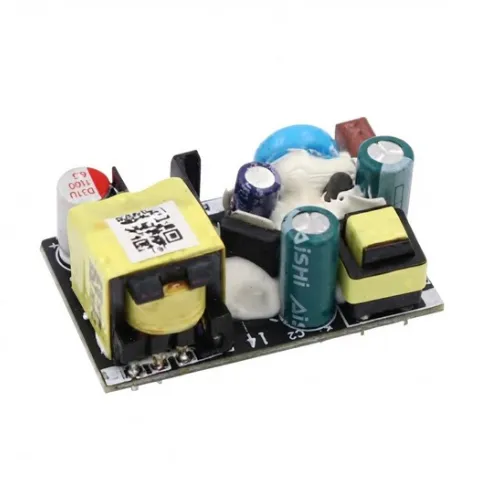
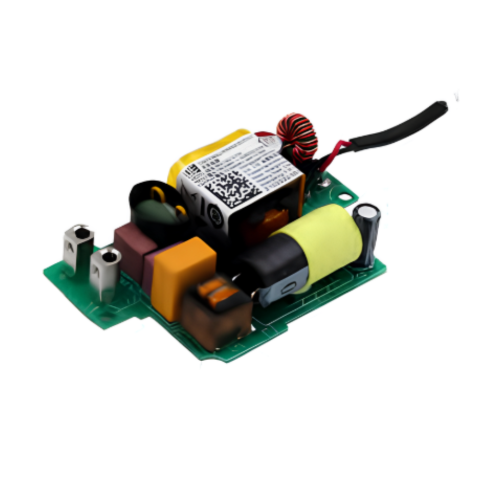
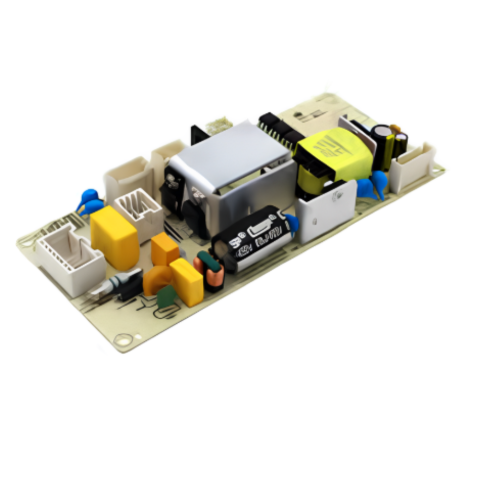
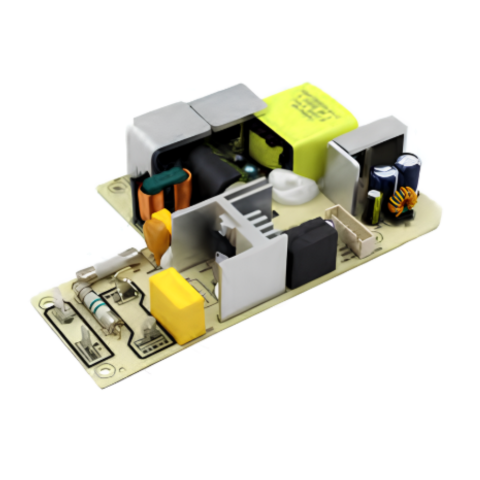
Different robotic vacuum cleaner and appliance designs can have different power requirements, board space, and load configurations. If the UES42-SPA-OP1 is not the right fit for your project, you can also review our other power supply options for different output ratings, form factors, and application requirements. These related models may be a better starting point when your design calls for a different power level or power supply configuration.
Related Resources
Choosing a power supply for a new product often brings up questions that are not answered by a single datasheet. The resources below cover some of the basics engineers may want to check when comparing power supply types, understanding how ITE power supplies work, or evaluating power requirements during the design stage.
What Is an ITE Power Supply Used For?
An ITE power supply is not simply selected by its output voltage and wattage. This article explains where ITE power supplies are commonly used and what engineers should consider when matching a power supply with electronic equipment.
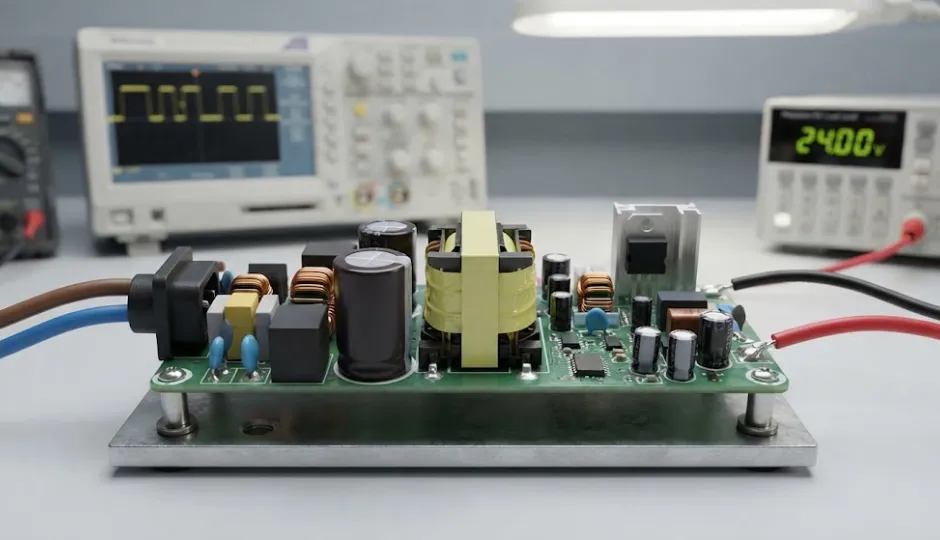
How ITE Power Supplies Work: A Beginner's Guide
If you are less familiar with the internal operation of an ITE power supply, this guide gives a straightforward introduction to AC-DC conversion, power regulation, protection functions, and other basic points that matter when selecting a power supply for electronic equipment.
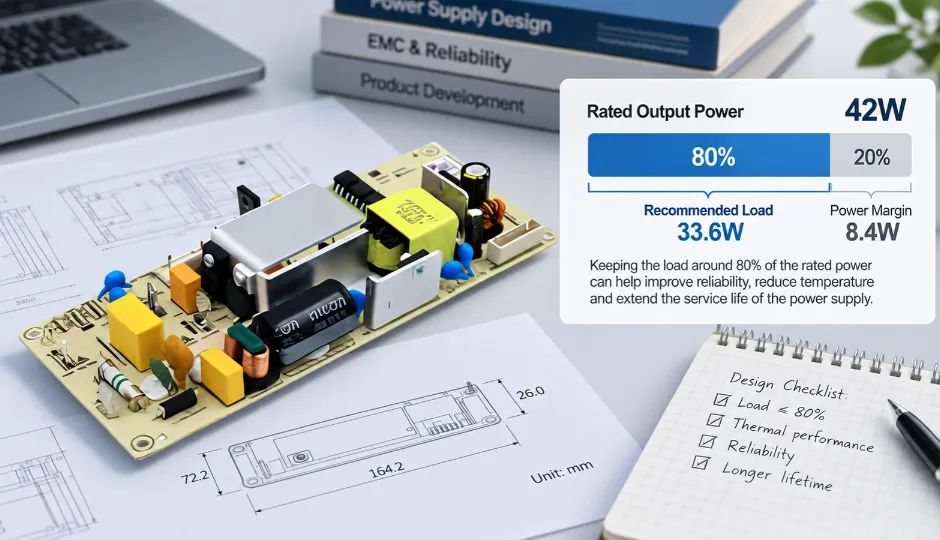
What Is the 80% Rule for Power Supplies and Why Does It Matter?
The rated output power is only one part of power supply selection. This article explains the 80% rule and why leaving some operating margin can be useful when evaluating the actual load of an electronic device and choosing a suitable power supply.
Request Technical Support & Pricing
Our engineering team provides dedicated technical assistance for our entire I.T.E. and industrial power supply portfolio. Whether you are navigating IEC/EN 62368-1 safety compliance, require custom DC output tuning, or need mechanical integration advice for high-density enclosures, we ensure your project specifications are met with technical precision.
✔ IEC/EN 62368-1 & Global ITE Safety Compliance
✔ Custom DC Connectors, Cables & Voltage Tuning
✔ Engineering Samples Available for System Evaluation
✔ Direct Technical Response from Engineers within 24h