
- Home
- ITE Power Supply
- UES05-SPA1-OP | 5W 5V ITE Open Frame Power Supply for Embedded Equipment
UES05-SPA1-OP | 5W 5V ITE Open Frame Power Supply for Embedded Equipment
UES05-SPA1-OP
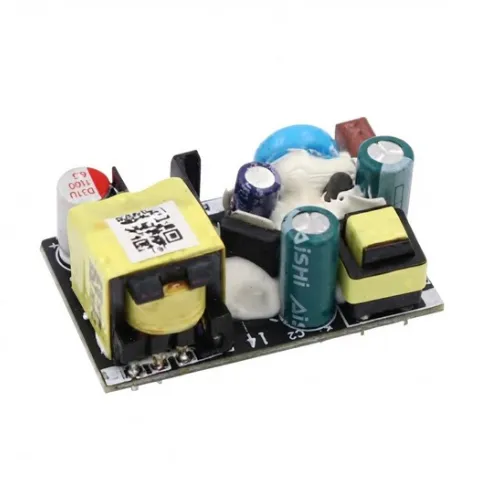
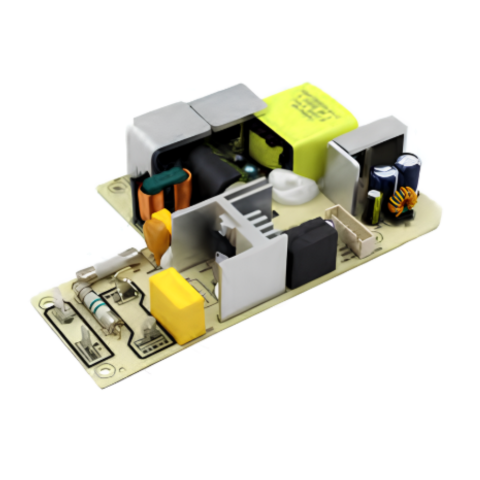
The UES05-SPA1-OP is a compact 5W 5V open frame power supply designed for low-power electronics where the AC-DC stage needs to sit inside the product without taking up unnecessary enclosure space. As an internal AC-DC 5V power supply, it allows equipment developers to integrate power conversion directly into the product rather than relying on a separate external adapter.
For customized equipment, this platform can also support ODM development when the power solution needs to follow the electrical and mechanical design of the finished product.
- More Room for the Rest of Your Design: A compact power platform leaves more of the enclosure available for the main PCB, display, communication circuitry and other functional components.
- Bring AC-DC Conversion Inside the Product: Suitable for equipment designed around an internal power stage, helping keep the power conversion within the finished product rather than adding a separate external supply.
- Reduce Power Lost While the Product Is Idle: Low standby consumption helps limit unnecessary power use when equipment remains connected to AC without operating at full load.
- A Platform That Can Follow the Product Design: For ODM projects, the power solution can be developed around the equipment’s electrical and mechanical requirements instead of treating the standard board as an inflexible finished product.
Models & Ratings
Choosing a 5V DC power supply requires more than matching the output voltage. The load current determines how much power the equipment actually needs, and the UES05-SPA1-OP series covers configurations up to 1A, or 5W at the top of the range. For projects evaluating a 5V 1A power supply, startup and peak current should also be considered rather than sizing the supply from normal running current alone.
| Model Number | Power(W) | Input Voltage Range(VAC) | Output Voltage(VDC) | Output Current(A) | Operating Temperature Range(℃) | Safety Standards |
| UES05-050YYYSPA1-OP | 5 | 90-264 | 5 | 0.01-1.00 | -10~+60 | CQC |
Mechanical Details
When enclosure space is tight, the question isn’t only whether the PCB fits on a 2D drawing. Component height, nearby circuitry and the room needed around an open-frame AC-DC board can determine whether the layout actually works. The dimensions below provide the starting point for checking how the power stage fits alongside the rest of the electronics.
Dimensions
Weight
41.0mm (L) × 25.5mm (W) × 16.5mm (H)
About 20g
Input Specifications
For an AC-DC 5V power supply built directly into equipment, input range determines whether the same power platform can be used across different mains-voltage regions. A wide input range can reduce the need for separate 115V and 230V power versions, while standby consumption matters for products that remain connected to AC for long periods.
Input Voltage Range
Input Current
Average Efficiency
Standby Power
90-264VAC
0.5A
Energy Efficiency Level VI
0.075W Max
Environmental & General
The temperature inside a small enclosure can be considerably higher than the room around it, especially when the power board sits close to processors, displays or other heat sources. Operating range, humidity and MTBF therefore help determine whether the supply fits the actual environment of the equipment—not just whether it works under normal bench conditions.
Operating Temperature
Storage Temperature
Operating Humidity
Operating Altitude
MTBF
-10°C to 60°C
-40°C to 70°C
10% to 95% RH, non-condensing
5,000m
100,000 hours at full load at 25°C ambient, calculated per Telcordia SR-332
Protection
Not every electrical fault reaches the power supply from the same direction. A short circuit or excessive load appears on the 5V output, while a surge is a disturbance coming from the AC side. Looking at both helps engineers understand how the power stage is designed to respond when conditions move outside normal operation.
Short Circuit
Over Current
Over Voltage
Trip and restart (hiccup mode)
Auto-recovery upon removal of fault
Built-in protection to prevent high-voltage output
Safety Approvals
Power-supply approval can support compliance planning, but it should not be read as approval of the finished equipment. The standard listed below applies to the UES05-SPA1-OP itself; enclosure construction, wiring, insulation and other parts of the end product remain part of the final safety evaluation.
GB4943.1
EMC
Because a 5V switching power supply operates inside the equipment, it may sit only a short distance from processors, communication circuits and signal cables. Its emissions and immunity performance therefore matter before the complete product reaches EMC testing. The data below helps engineers evaluate the power stage as part of the wider system rather than treating EMC as an isolated board specification.
| EMC Item | Standard / Performance |
|---|---|
| EMC Standard | EN55032/CISPR32; EN55035/CISPR35 |
| Conduction & Radiation | EN55032/CISPR32 Class B |
| Harmonic Current | IEC/EN61000-3-2 Class A |
| Voltage Flicker | IEC/EN61000-3-3 |
| ESD | IEC/EN61000-4-2, ±4kV Air / ±8kV Contact, Class B |
| Radiated Immunity | IEC/EN61000-4-3, 4V/m, Class B |
| EFT/Burst | IEC/EN61000-4-4, ±1kV, Class B |
| Surge | IEC/EN61000-4-5, ±4kV DM / ±4kV CM |
| Conducted Immunity | IEC/EN61000-4-6, 4Vrms, Class B |
| Dips & Interruptions | IEC/EN61000-4-11, 0%, 70%, 0% UT |
Download File
Common Applications
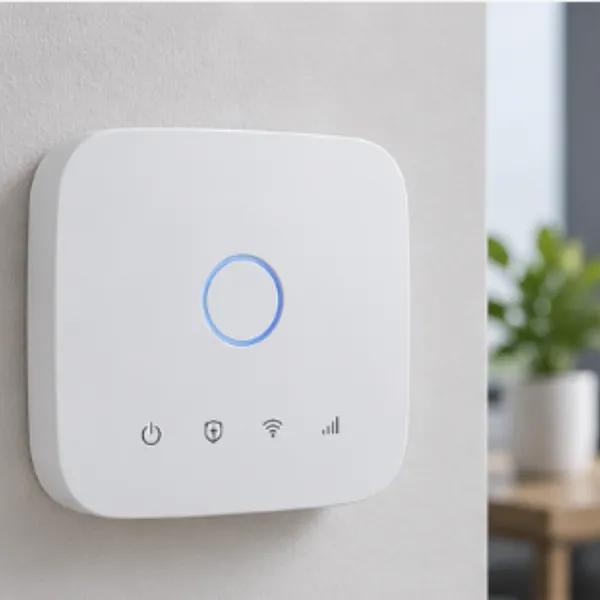
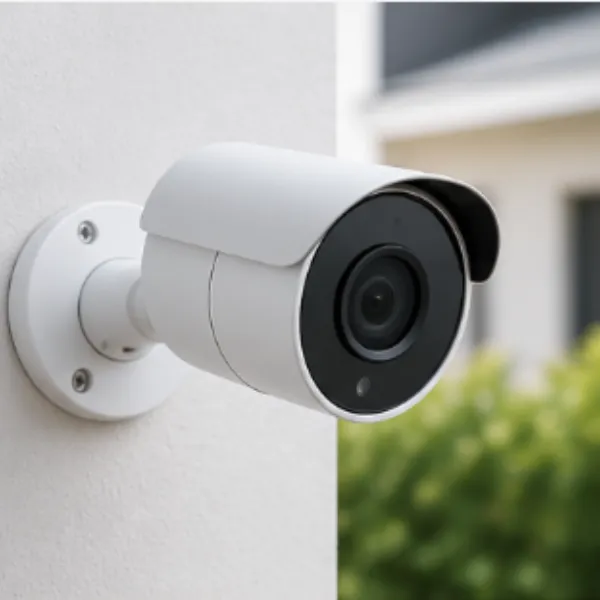
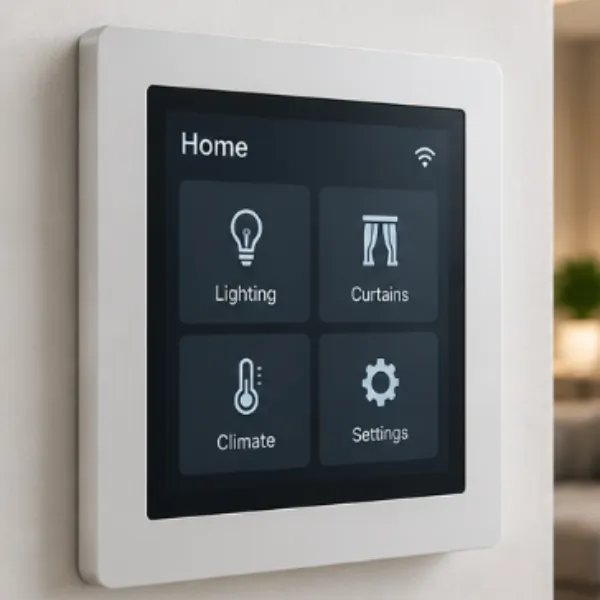
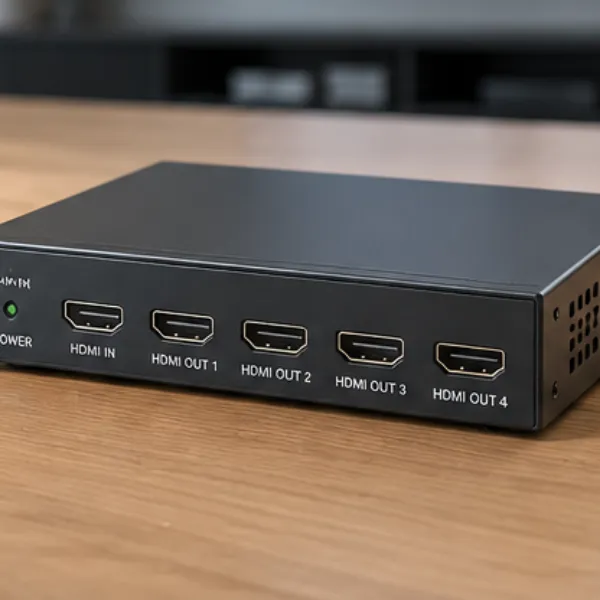
The UES05-SPA1-OP is designed for low-power ITE equipment that requires AC-DC conversion inside the product. Its compact 5V output platform is particularly relevant to control, timing, measurement and display equipment where the internal electronics operate within a modest power budget. Final suitability depends on the complete load profile, available installation space and system architecture.


Frequently Asked Questions
The electrical ratings tell you what this 5V power supply can deliver, but choosing it for a finished product involves several decisions that don’t fit neatly into a specification table. These questions focus on power margin, internal AC-DC integration and what board-level performance means once the supply becomes part of complete equipment.
My electronics run on 5V. How do I know whether 5W is enough?
Start with the current required by the complete 5V load. At the top of this series, 5V at 1A corresponds to 5W.
Normal operating current isn’t the only number to consider. If the equipment draws more current during startup or when particular functions switch on, that demand also needs to fit within the power design. A load already operating close to 1A leaves less margin for these changes.
Why would I use an internal open-frame power supply instead of an external 5V adapter?
The main difference is where AC-DC conversion takes place.
An external adapter keeps the mains conversion stage outside the equipment. An open-frame supply places it inside, allowing the finished product to accept AC input and generate its 5V DC rail internally.
This can simplify the external power arrangement, but the enclosure must then be designed around the internal mains-side power section.
The PCB footprint fits my enclosure. What else should I check?
A board that fits in length and width may still be difficult to integrate once the complete assembly is considered.
The UES05-SPA1-OP is 16.5mm high, and the installation also needs to account for mounting, wiring and suitable separation from surrounding components. In a small enclosure, these factors can become the actual mechanical constraint.
Does Class B performance of the power supply mean my finished product will pass Class B?
No. The Class B specification describes conducted and radiated emissions of the power supply under its specified test conditions.
Once the supply is integrated, the main PCB, cables, grounding, enclosure and physical arrangement of the equipment can all affect EMC performance. The board-level result is useful during component selection, but it does not replace EMC evaluation of the finished product.
When should I customize this 5V power platform instead of choosing a higher-power model?
Customization makes sense when the basic 5V power level is appropriate but the standard platform does not fully match the product’s electrical or mechanical requirements.
If the equipment fundamentally requires more power than the 5W platform can provide, a higher-power platform is a better starting point. ODM development should adapt a suitable platform to the product rather than compensate for a power supply that is undersized from the beginning.
Related Models
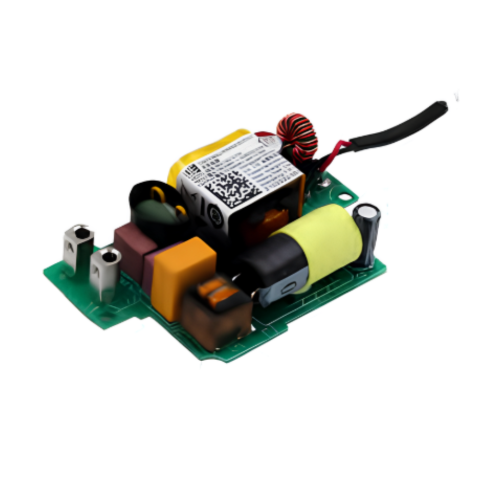
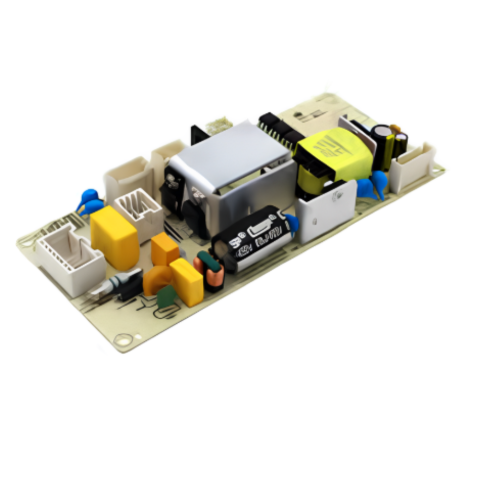
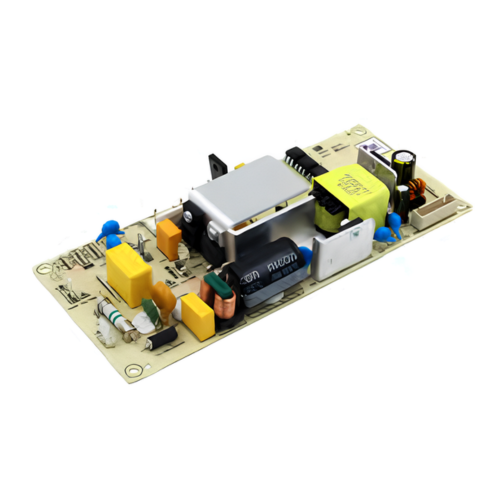
UES05-SPA1-OP is intended for low-power 5V designs, so it will not be the right starting point for every 5V DC power supply requirement. Compare related models when the equipment needs more current, a different board size or another electrical configuration rather than trying to make a 5W platform cover a requirement outside its intended range.
Related Resources
Selecting a 5V DC power supply goes beyond matching the voltage printed on the load. Engineers also need to understand how current affects available power, whether the supply has enough margin for the actual operating conditions, and which types of equipment commonly use a 5V power architecture. These resources provide additional guidance for evaluating those questions before a power platform is selected or customized.
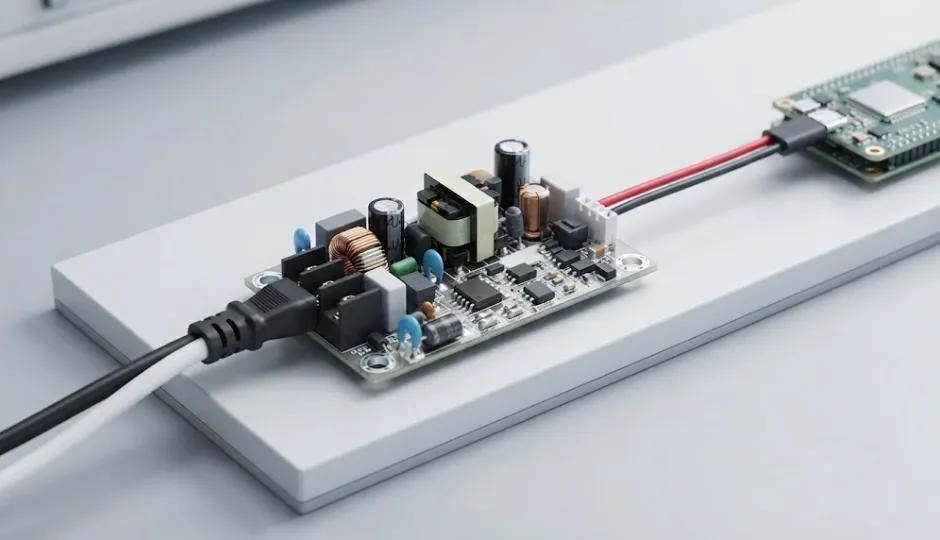
What Is DC 5V Power Supply?
A practical introduction to how a 5V DC power supply converts and delivers power for low-voltage electronics. The article explains the meaning of DC 5V, key specifications to check, and the relationship between voltage, current, and the connected load—useful background when determining whether a 5V power platform is appropriate for your equipment.
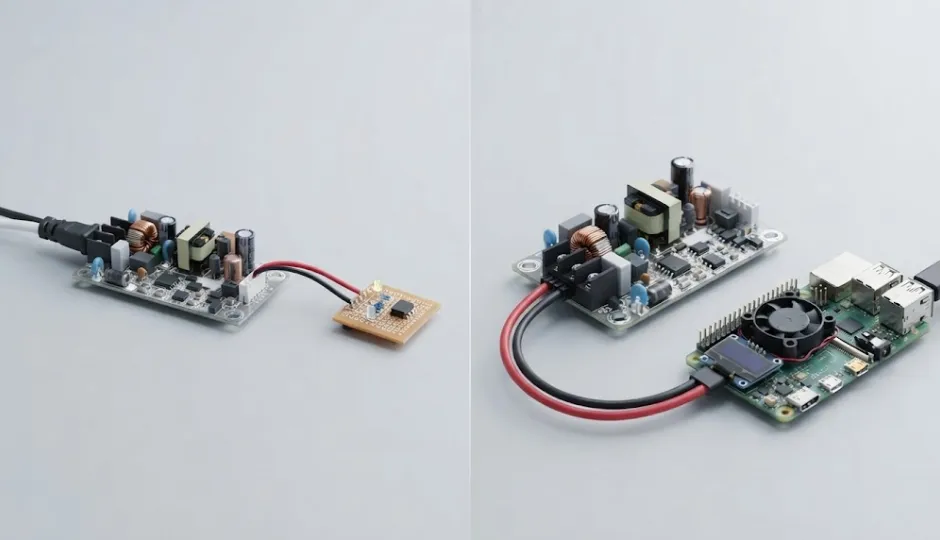
What Is the Difference Between 1A and 2A Power Adapters?
Two supplies can provide the same 5V output while offering very different current capacity. This guide explains what 1A and 2A ratings mean, how current relates to available wattage, and why a higher current rating does not automatically mean the connected device will draw more power. It helps clarify an important part of sizing a supply around the actual load.
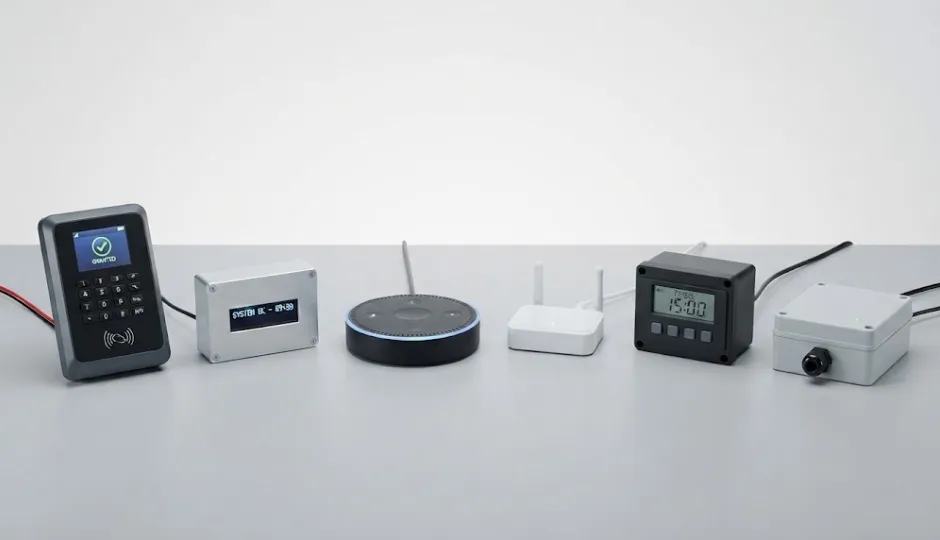
Common Applications of 5V DC Power Supplies in Electronics
Where does a 5V power supply make sense in real electronic equipment? This article looks at common 5V-powered applications and the different ways a 5V rail can support control, communication, display, and other low-voltage circuitry. It also provides useful context for comparing an application’s power demand with the available current and overall power capacity of a 5V supply.
Request Technical Support & Pricing
Our engineering team provides dedicated technical assistance for our entire I.T.E. and industrial power supply portfolio. Whether you are navigating IEC/EN 62368-1 safety compliance, require custom DC output tuning, or need mechanical integration advice for high-density enclosures, we ensure your project specifications are met with technical precision.
✔ IEC/EN 62368-1 & Global ITE Safety Compliance
✔ Custom DC Connectors, Cables & Voltage Tuning
✔ Engineering Samples Available for System Evaluation
✔ Direct Technical Response from Engineers within 24h