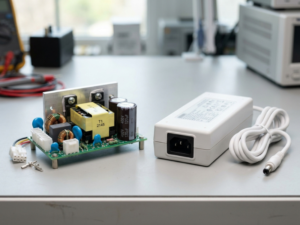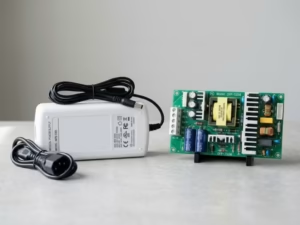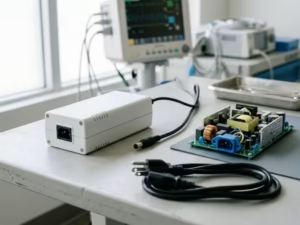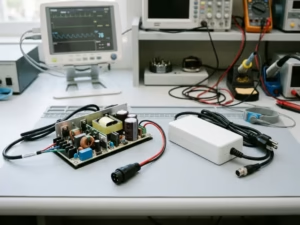
New to ITE power supplies? Discover how they work, what they power, and why they matter for keeping IT equipment running safely, efficiently, and reliably.
Why Do I Need an ITE Power Supply?
Being prepared and maintaining stable power delivery is always a good idea, especially for the equipment that keeps your business, network, or digital operations running every day.
Whether you’re supporting servers in a data room, running routers in a telecom cabinet, or powering storage and computing devices in an office, an ITE power supply helps keep your systems performing as expected. In this guide, we’ll break down everything you need to know about ITE power supplies, from how they work to which applications they support. Let’s power up.
What Are ITE Power Supplies, and How Do They Work?
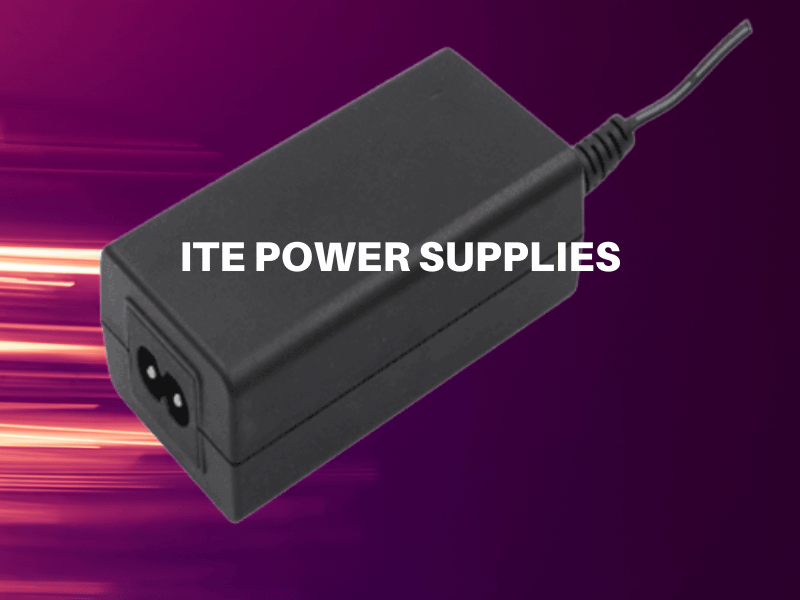
ITE power supplies are power conversion units designed for information technology equipment such as servers, switches, storage systems, workstations, and network devices. Think of them as the power managers behind your IT hardware: They take incoming electrical energy and convert it into the stable, usable output your devices need to operate correctly.
In most cases, an ITE power supply receives AC power from a wall outlet or facility source and converts it into regulated DC power. That DC power is then delivered to sensitive internal components that cannot tolerate unstable voltage or current. This helps protect equipment performance and supports consistent system operation.
Unlike a basic consumer power adapter, an ITE power supply is often built for continuous use, higher efficiency, and stricter performance requirements. Many models also include protection features to guard against overloads, voltage spikes and overheating, which is especially important in environments where uptime matters.
Components That Make It All Possible
These reliable and hard-working power systems are equipped with voltage-conversion components, power-conditioning components, control circuits, and output connections that help IT devices receive clean, stable power.
Here are the key components of an ITE power supply:
Transformer
The transformer changes the incoming voltage level to match the needs of the power supply design. It helps step the voltage up or down before the next stages of conversion take place.
This part is important because different IT devices and internal circuits require specific voltage ranges. A properly designed transformer supports safe and efficient operation from the start.
Rectifier
The rectifier converts incoming AC power into DC power. Since most electronic circuits inside IT equipment run on DC, this is one of the most essential steps in the power conversion process.
Without rectification, the power supply would be unable to deliver the type of electrical output that most computing and networking devices require.
Filter
After rectification, the DC output may still contain ripple or unwanted fluctuations. The filter smooths out that roughness and helps create a cleaner power signal.
This matters because sensitive IT components perform better and last longer when they receive more stable electrical input.
Regulator
The regulator maintains a consistent output voltage even when the input power or load conditions change. This keeps the connected equipment running within its intended electrical range.
In practical terms, the regulator helps prevent unstable behavior, shutdowns, or stress on sensitive chips and boards.
Output Ports
Output ports are where the power supply connects to the IT equipment it supports. These may vary depending on the device type, form factor, and application.
Reliable output connections help ensure that servers, routers, storage systems, and other electronics receive steady power without interruption.
How Do You Choose the Right ITE Power Supply?
Choosing an ITE power supply is usually straightforward, but you need to match the unit carefully to the equipment and environment. Most selection decisions start with power demand, physical compatibility and compliance with the standards required for the application.
First, check the required power output. The supply should match the device’s voltage and current requirements and leave sufficient margin for peak loads or future expansion. If the unit is undersized, performance problems can appear quickly under real working conditions.
Next, look at efficiency ratings and form factor. Higher-efficiency models can reduce heat and operating costs, especially in systems that run around the clock. At the same time, the physical design must fit the equipment, whether that means an internal open-frame unit, an enclosed module, or a rack-compatible format.
Finally, review certifications and application requirements. Standards such as IEC 60950-1 or newer related safety frameworks help confirm that the power supply is suitable for IT use. It is also smart to check cooling design, connector types and manufacturer support before making a final decision.
How Long Do ITE Power Supplies Last?
Two factors determine the lifespan and durability of an ITE power supply: component quality and day-to-day operating conditions.
Power supply basics
Not all ITE power supplies are built the same. When it comes to service life, here are two things you need to know:
High-quality components such as capacitors, transformers, regulators, and cooling parts typically last longer and perform more consistently under continuous use.
Well-managed operating conditions, including proper airflow, clean input power, and reasonable load levels, help reduce thermal and electrical stress over time.
A well-designed power supply, used within its ratings, can often remain in service for many years.
Tips to extend your ITE power supply’s lifespan
Want your ITE power supply to go the distance? Follow these practical tips:
- Avoid extreme temperatures
- Keep vents and cooling paths clear
- Do not overload the unit
- Use approved cables and accessories
- Inspect for dust buildup and wear
With the right care, your ITE power supply can keep delivering dependable performance for years to come.
A Look at ITE Power Supply Safety
ITE power supplies are generally very safe, especially when used according to manufacturer guidelines. Most quality models are built with several layers of protection to prevent overheating, overload conditions, and electrical faults.
Safety features to look for
Your ITE power supply should offer these essential safety features for strong and reliable protection:
- Overvoltage protection
- Overcurrent protection
- Short-circuit protection
- Temperature regulation systems
- Certified enclosures and compliance markings
These features help protect both the connected device and the surrounding system environment.
Common safety myths, debunked
There are several misconceptions about ITE power supplies, so let’s clear up a few:
Myth #1: They can easily fail without warning
Fact: Quality ITE power supplies are designed with protection circuits and monitoring features that reduce the risk of sudden, unsafe failure.
Myth #2: Higher wattage always means better safety
Fact: A power supply should be sized correctly for the application. Oversizing alone does not improve safety and may add unnecessary cost.
Myth #3: They do not need cooling attention
Fact: Heat is still one of the main causes of power supply wear, so proper airflow and thermal design matter a lot.
The bottom line: ITE power supplies are built for safe and dependable operation when selected and used correctly.
Applications of ITE Power Supplies
ITE power supplies support a wide range of equipment and environments, including:
- Data centers for powering servers and storage systems
- Telecommunications equipment such as routers and switches
- Industrial automation systems that rely on computing and control hardware
- Consumer and office electronics like laptops, monitors, and docking systems
Many models are designed to provide clean, stable power for sensitive electronics that need reliable daily performance.
Choosing the right fit for your application
What you can support depends on the ITE power supply’s output rating, form factor, efficiency, and reliability. Understanding the demands of your equipment can help you choose the right unit for your needs:
Small-device applications
Ideal for lighter computing and office electronics. Best for:
- Laptops
- Displays
- Small networking devices
- Compact workstations
Mid-range IT systems
Great for standard business and network equipment. Best for:
- Routers
- Switches
- Storage units
- Office servers
High-demand infrastructure
Designed for heavier and more critical environments. Capable of supporting:
- Data center servers
- Telecom racks
- Industrial IT controls
- Continuous-operation systems
ITE Power Supplies: A Reliable Energy Solution
ITE power supplies are a simple and dependable way to keep information technology equipment running safely and efficiently. Whether you’re supporting office electronics, networking hardware, industrial systems, or data center infrastructure, these power supplies help deliver the stable output modern devices require. They are built for reliability, designed for efficiency, and available in many forms to match different applications. Plus, many models include safety features and compliance support that make them easier to use with confidence.
If you want stronger system performance and more reliable power delivery, choosing the right ITE power supply is a smart move. Focus on proper output matching, good thermal management, and trusted safety features to get the best long-term value.