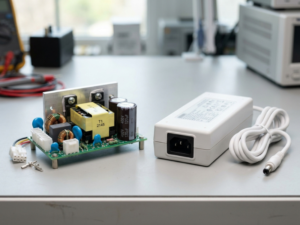
Quick Answer
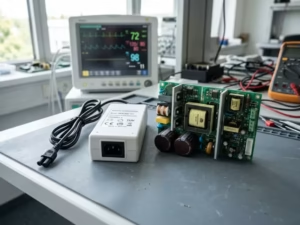
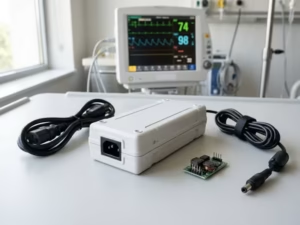
A reliable medical power supply manufacturer should provide certified products compliant with IEC 60601-1, stable quality control systems, strong engineering support, and long-term supply capability. For OEM medical projects, factors such as leakage current, isolation protection, and lifecycle stability are critical for certification and product reliability.
Introduction
Selecting the right medical power supply manufacturer is more than a purchasing decision—it directly impacts product safety, certification success, field reliability, lead time, and long-term profitability.
For medical device brands, OEM factories, and engineering teams, choosing the wrong supplier can lead to:
- Certification delays
- Product failures or recalls
- Unstable performance
- Long lead times
- Poor technical support
- Increased warranty costs
- Supply chain disruptions
A reliable partner helps you launch faster, pass approvals smoothly, and scale production with confidence.
Why Medical Power Supply Supplier Selection Matters
Unlike consumer adapters, medical power supplies are used in safety-critical environments.
Common Applications
- Patient monitors
- Ventilators
- Ultrasound systems
- Infusion pumps
- Dental equipment
- Diagnostic systems
- Rehabilitation devices
- Home healthcare electronics
Key Technical Requirements
- Low leakage current:Strictly controlled below 100µA (or even 10µA for Type BF/CF medical devices) to ensure patient safety.
- Reinforced insulation:Achieving 4000VAC isolation and 2×MOPP (Means of Patient Protection) level to match the rigorous environment of clinical monitors.
- Stable continuous operation:24/7 continuous duty capabilities with optimized thermal design (such as derating design and convection cooling) to ensure medical systems never power down during critical surgeries.
- EMC / EMI compliance:Meeting strict IEC 60601-1-2 (4th Edition) electromagnetic compatibility standards to prevent interference with sensitive operating room equipment like ventilators or ultrasound systems.
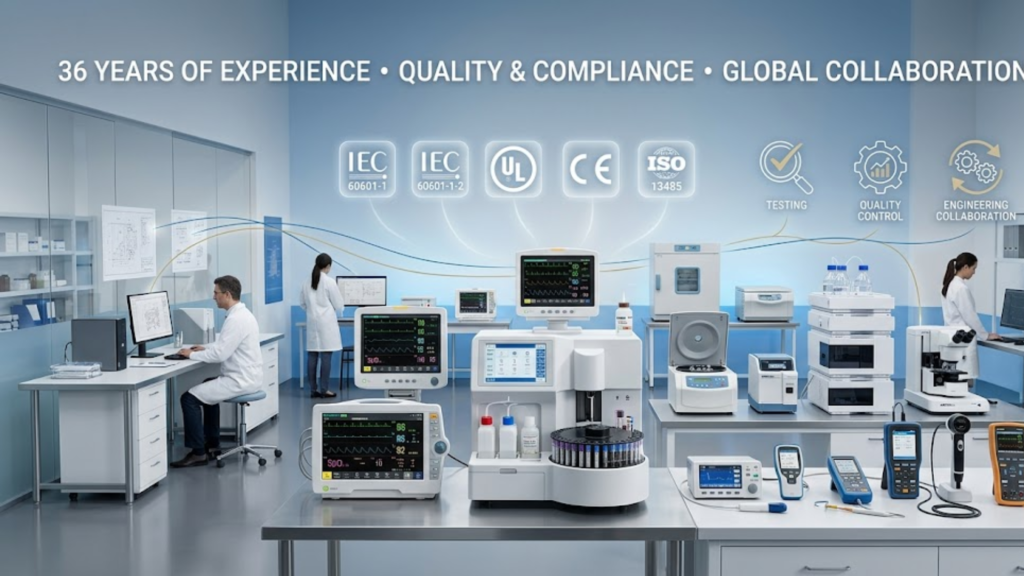
- Global certifications:Complete regulatory alignment with global access including UL (North America), CE-MDR (Europe), and CCC/NMPA (China) to accelerate the medical device’s time-to-market.
- Long lifecycle support:Strict BOM (Bill of Materials) lock policy and a minimum of 5–10 years of supply longevity to eliminate the risks of unexpected redesigns and costly re-certifications.
- Low failure rate:High reliability with extended MTBF (Mean Time Between Failures) verified by 100% full-load burn-in testing and rigorous automated leakage current inspections.
7 Key Signs of a Reliable Medical Power Supply Manufacturer
1. Proven Medical Compliance Experience
Typical certifications include:
- IEC 60601-1
- UL / CE / FCC
- RoHS / REACH
2. Strong Quality Control System
- 100% functional testing
- Burn-in testing
- Leakage current inspection
- Insulation verification
3. Real Engineering Support
- Voltage/current matching
- Thermal design
- EMC optimization
- Mechanical integration
4. Stable Supply Chain
- BOM control
- Component alternatives
- Lifecycle management
5. OEM Customization Capability
- Branding / labeling
- Cable & connector design
- Plug customization
6. Fast Sampling & Lead Time
- Sample speed
- Production scheduling
- MOQ flexibility
7. Real Medical Application Experience
- Patient monitoring
- Portable devices
- Diagnostic systems
How Medical Device OEMs Evaluate Power Supply Suppliers
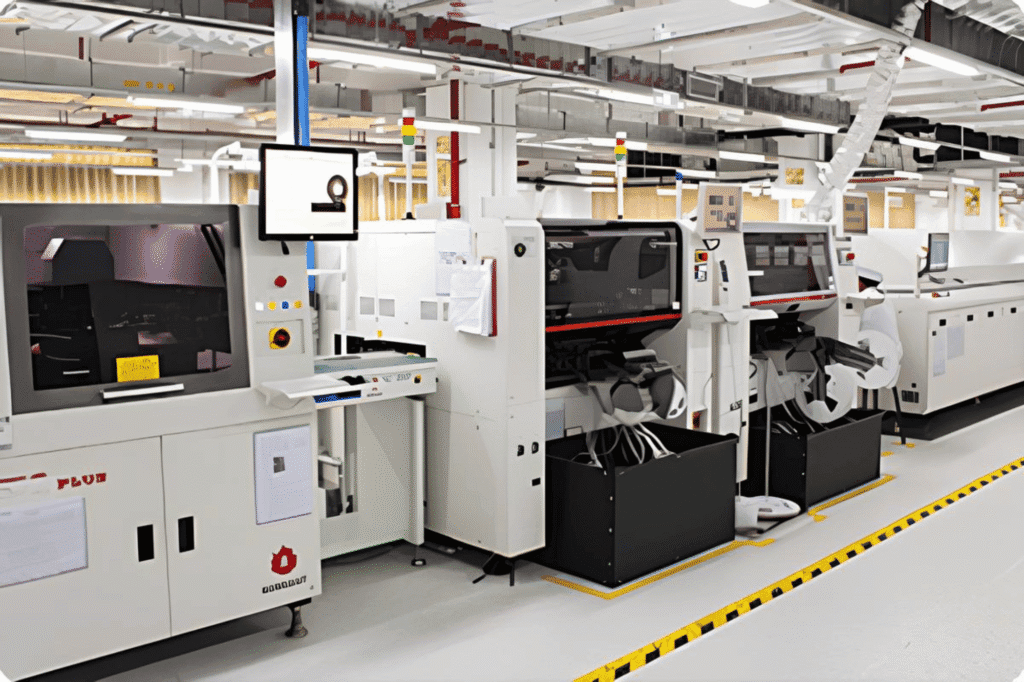
Selecting a medical power supply manufacturer typically involves more than comparing prices or reviewing product catalogs. Medical device OEMs often follow a structured supplier qualification process to reduce certification risks and ensure long-term product reliability.
Step 1: Verify Medical Certifications
The first step is confirming that the supplier can provide valid certification documents, including:
- IEC 60601-1 CB Reports
- UL Medical Safety Certifications
- CE Compliance Documentation
- RoHS and REACH Reports
OEM buyers should verify that certifications match the actual power supply models being considered rather than relying solely on company-level claims.
Step 2: Evaluate Engineering Capability
Engineering support is often a key differentiator between suppliers.
Important questions include:
- Can the supplier assist with EMC compliance?
- Can output voltages or connectors be customized?
- Can thermal issues be analyzed during development?
- Is application engineering support available?
Strong engineering involvement can significantly shorten product development cycles.
Step 3: Review Manufacturing and Quality Control
A qualified medical power supply manufacturer should operate a documented quality management system with:
- Automated testing procedures
- Leakage current inspection
- Hi-Pot testing
- Burn-in validation
- Traceability management
These controls help ensure product consistency across large production volumes.
Step 4: Assess Long-Term Supply Stability
Medical devices often remain in production for many years.
OEM buyers should evaluate:
- Component lifecycle policies
- Alternative component strategies
- BOM management processes
- Supply continuity commitments
Long-term availability helps prevent costly redesigns and recertification projects.
Recommended Medical Power Supply Solutions

External Medical Power Adapter
- UES36C1-SPA
- Low leakage current (<100µA typical)
- Reinforced insulation (2×MOPP)
- Ideal for patient monitors and diagnostic systems
Embedded Medical Power Module
- UES30LCP-SPA
- Compact embedded design
- Medical-grade isolation protection
- Suitable for portable and wearable devices

Typical OEM Buying Scenarios
If you are developing:
- Patient monitoring systems → UES36C1-SPA
- Portable medical devices → UES30LCP-SPA
- Home healthcare electronics
- Diagnostic equipment
You need a stable, certified, and customizable power solution.

Example OEM Project
Portable Patient Monitoring System
A medical equipment manufacturer required a compact power supply solution for a portable patient monitoring device.
Requirements
- IEC 60601-1 compliance
- Low leakage current
- Compact form factor
- Global certification support
Recommended Solution
UES36C1-SPA Medical Power Adapter
Results
- Simplified certification process
- Reduced integration complexity
- Improved product reliability
- Accelerated time-to-market
This type of application illustrates how selecting an experienced medical power supply manufacturer can reduce engineering risks and support faster product commercialization.
Common Mistakes Buyers Make
❌ Choosing lowest price only
❌ Using consumer adapter suppliers
❌ Poor technical communication
❌ No backup supplier
These often result in system failure, certification delays, and higher long-term costs.
Manufacturer Comparison Overview
| Supplier Type | Advantage | Risk | Best Use |
| Trading Company | Easy sourcing | Limited control | Small orders |
| Consumer Adapter Factory | Low price | Compliance risk | Non-medical |
| Medical Power Manufacturer | Quality + compliance | Higher cost | OEM |
Questions to Ask Before Ordering
- What certifications are available?
- What leakage current levels are supported?
- What testing is performed?
- Can you support OEM branding?
- Lead time for samples and production?
- Experience in medical applications?
Quality Assurance and Manufacturing Standards
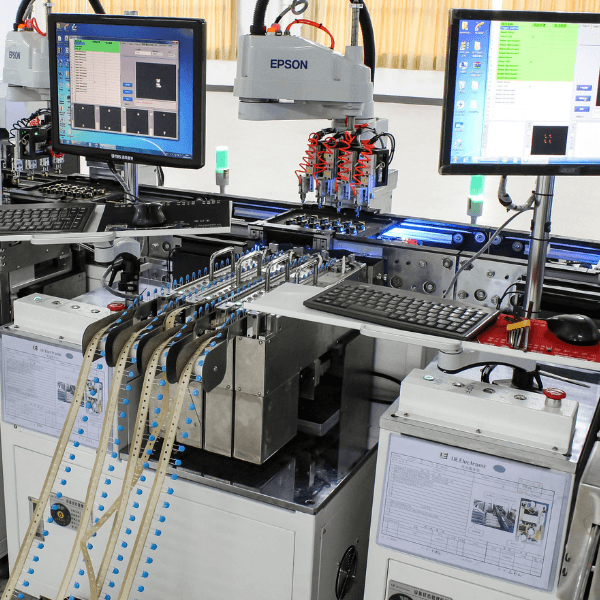
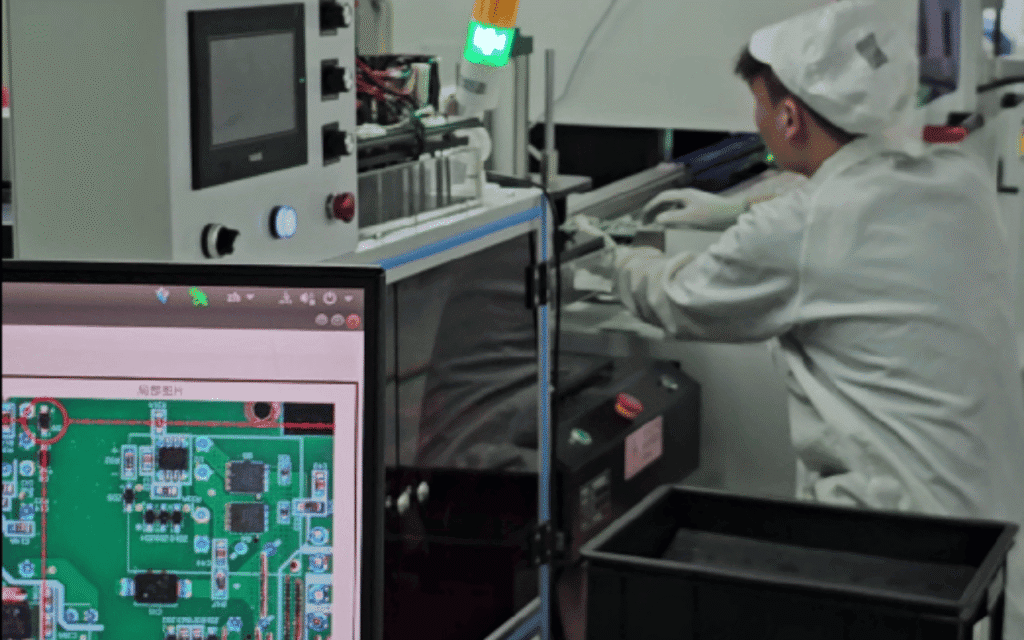
Medical power supplies used in healthcare applications must meet stringent quality and safety requirements. Therefore, supplier qualification should include not only certification review but also an evaluation of manufacturing processes, testing procedures, and long-term quality management systems.
Key Manufacturing Controls to Evaluate
When selecting a medical power supply supplier, OEM buyers should verify whether the manufacturer implements:
- Automated production processes
- Functional testing procedures
- Aging and burn-in validation
- Final inspection protocols
- Traceability management systems
Essential Safety Testing
Medical power supplies are typically subjected to:
- Leakage current verification
- Dielectric strength (Hi-Pot) testing
- Ground continuity testing
- Output stability testing
Reliability Validation
Reliable suppliers should conduct:
- Full-load burn-in testing
- Temperature rise evaluation
- Continuous operation verification
- Long-term reliability assessments
Supply Chain Traceability
Effective traceability systems help ensure:
- Batch-level tracking
- Component lifecycle management
- Quality issue investigation
- Continuous improvement initiatives
Why OEM Buyers Choose Quankang
- Designed to meet IEC 60601-1
- Low leakage current & reinforced insulation
- Stable BOM and lifecycle support
- Fast engineering response
- Flexible OEM / ODM capability
- Consistent production quality
Need a Certified Medical Power Supply for Your Project?
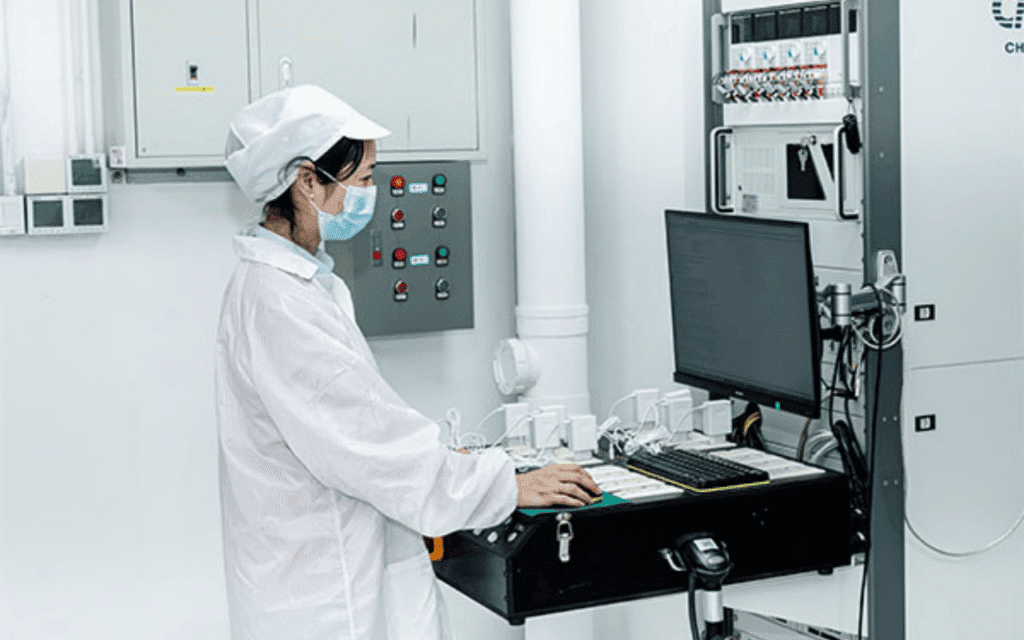
ALT: medical power supply manufacturing and testing
Whether you are developing:
- Patient monitoring systems
- Portable medical devices
- Diagnostic equipment
We offer proven solutions:
- UES36C1-SPA– for clinical systems
- UES30LCP-SPA– for compact devices
👉 Explore Medical Power Supply Solutions
👉 Request a Quote for Your Medical Power Project
FAQ
What certifications are required?
Most medical power supplies must comply with IEC 60601-1 and regional standards like UL and CE.
What is the difference from standard adapters?
Medical power supplies require stricter leakage current, insulation, and reliability standards.
Can I customize the design?
Yes, including branding, cable, connector, and enclosure.
How long is production?
Depends on model and quantity, but reliable suppliers provide stable lead times.
What is 2×MOPP in a medical power supply?
2×MOPP (Means of Patient Protection) is a safety requirement defined by IEC 60601-1. It provides reinforced insulation between the patient and electrical hazards.
What leakage current is acceptable for medical devices?
The acceptable leakage current depends on the device classification. Many medical power supplies are designed to achieve leakage current below 100µA, while some applications require even lower levels.
Can a consumer power adapter be used in medical equipment?
Generally no. Consumer adapters are not designed to meet the safety, insulation, leakage current, and EMC requirements specified for medical applications.
How long should a medical power supply remain available?
Medical device manufacturers often require 5–10 years or more of product lifecycle support to avoid redesign and recertification costs.
What testing should a medical power supply manufacturer perform?
Testing commonly includes functional testing, leakage current verification, insulation testing, burn-in testing, and reliability validation.
What information should I provide when requesting a quotation?
Typical requirements include:
- Output voltage
- Output current
- Application type
- Certification requirements
- Connector specifications
- Annual demand forecast
Final Thoughts
Choosing the right medical power supply manufacturer ensures:
- Faster certification
- Lower failure rates
- Stable production
- Long-term business growth
A strong supplier is not just a vendor—but a long-term engineering partner.