
Blogs
- Home
- Blogs
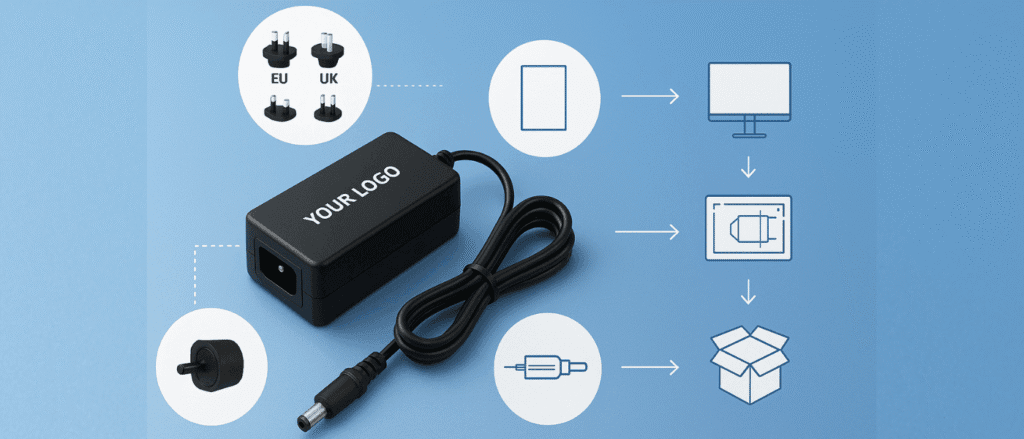
Custom Medical Power Supplies Key Considerations
A Complete ODM/OEM Design & Manufacturing Guide for Medical Device Manufacturers Introduction Medical devices rarely share identical power requirements. While standard AC/DC medical power supply
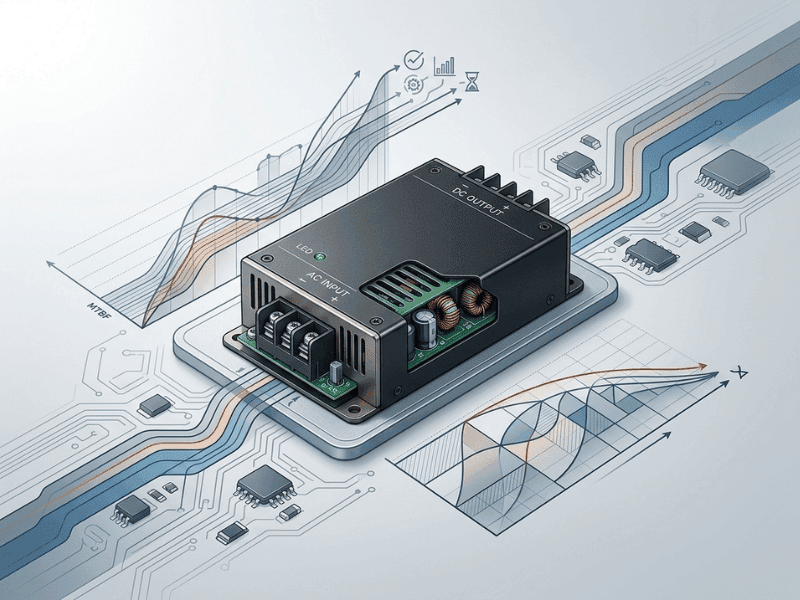
MTBF vs Lifetime in Power Supplies: What Engineers Must Know
MTBF (Mean Time Between Failures) estimates the average failure rate across a population of units during their stable operating period. Lifetime estimates how long a
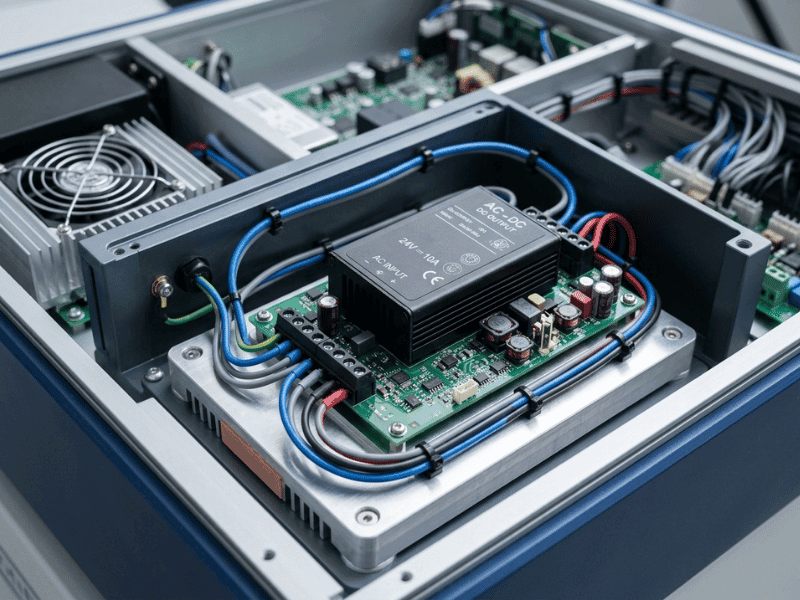
AC-DC Brick Power Supply: Benefits, Trade-Offs & How to Choose
An AC-DC brick power supply is a self-contained, enclosed module that converts AC mains voltage to regulated DC output. Defined by DOSA-standardized footprints (from 1/32-brick
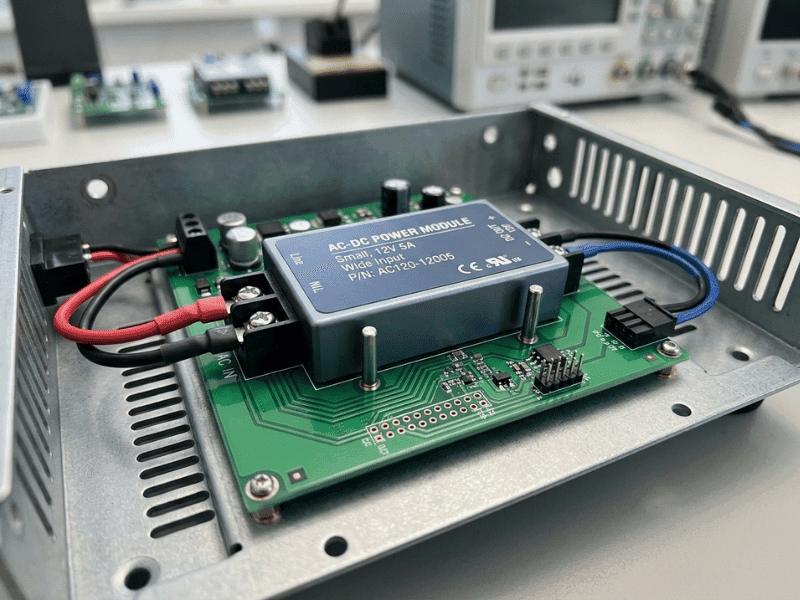
AC-DC Brick Power Supply: Benefits, Applications & How to Choose
An AC-DC brick power supply is a self-contained, enclosed module that converts AC mains voltage to regulated DC output. Designed for integration into industrial, medical,
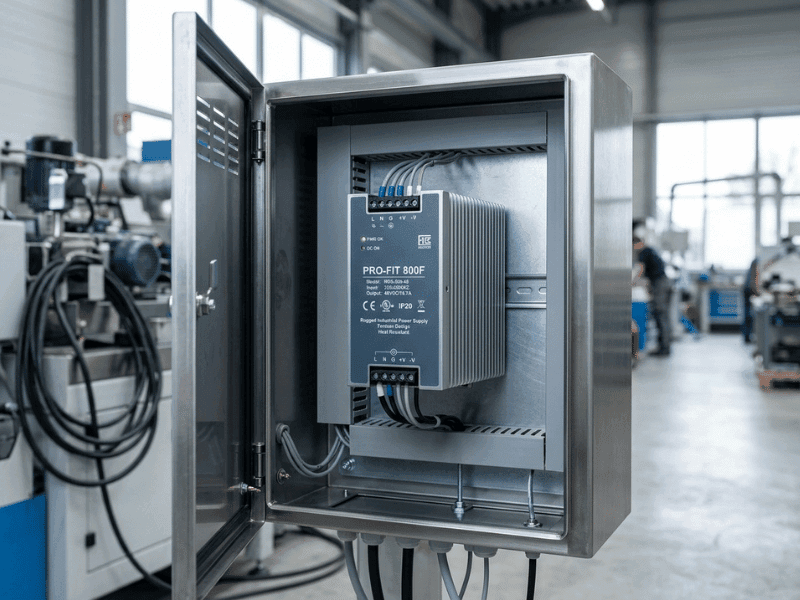
Industrial Fanless Power Supply: How It Works, Benefits, and How to Choose One
A fanless power supply uses passive thermal management—conduction cooling and natural convection—to dissipate heat without a mechanical fan. This design eliminates moving parts, reduces audible

Creepage and Clearance in IEC 60601 Power Supplies
Understanding Medical Isolation Distances, 2×MOPP Design, and Certification Risks Creepage and clearance are among the most critical isolation requirements in IEC 60601 medical power supply
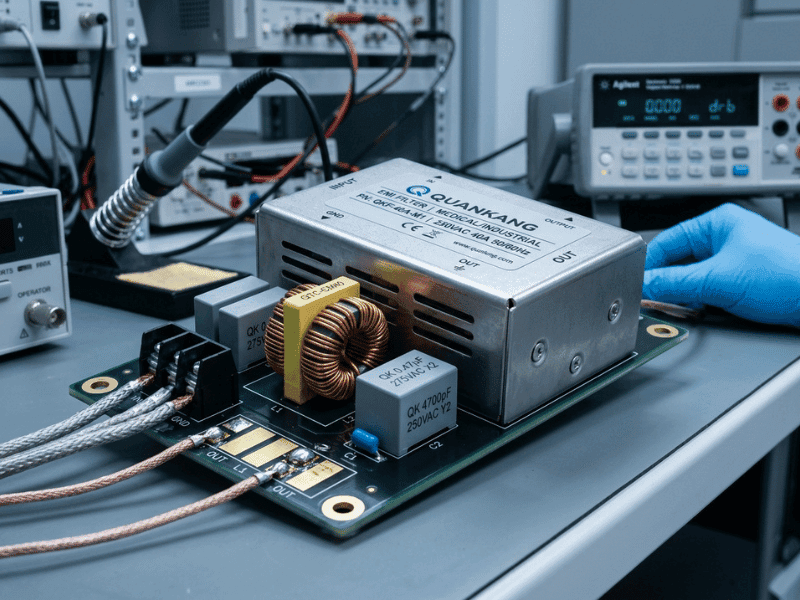
EMI Filter for Power Supply: How It Works and How to Choose One
An EMI filter for a power supply is a passive circuit network placed at the AC power entry point to suppress high-frequency electromagnetic noise generated
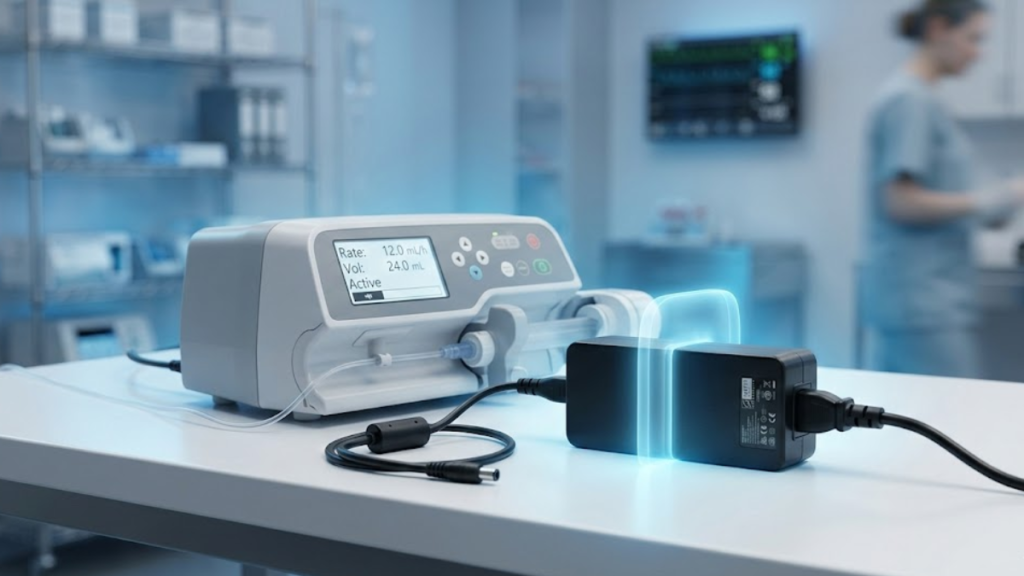
BF vs CF Medical Equipment: Leakage Current Requirements and Power Supply Design
Understanding IEC 60601 Patient Leakage Limits, Isolation Protection, and Medical Power Design Leakage current is one of the most critical safety parameters in medical electrical
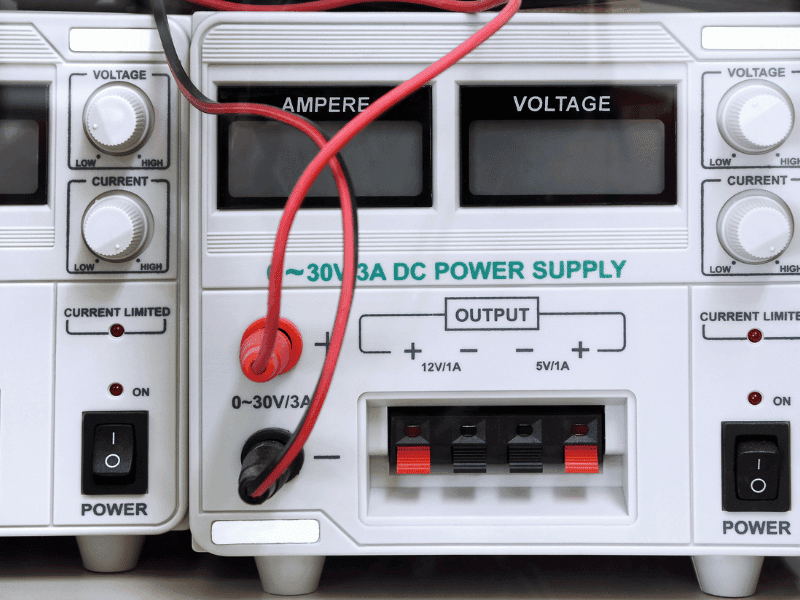
How to Choose a Medical Power Supply: A Complete Guide
Selecting a medical power supply requires compliance with IEC 60601-1, careful evaluation of leakage current limits, isolation requirements (such as 2xMOPP), and device-specific power needs.